Thanks to David for showing me this great series of After Effects tutorials on You Tube. Lots of tricks and tips with the puppet tool and putting character designs into 3d.
Pervasive Animation
Pervasive Animation was the name of a three-day conference at the Tate Modern, London in 2007, which featured speakers including Suzanne Buchan, Norman Klein, Tom Gunning, Esther Leslie, Vivien Sobchack. The conference sought to bring into question accepted ideas about what animation is and to present the interdisciplinary currents that feed contemporary digital moving image practice. The whole conference was recorded and can still be seen on the Tate website.
Recording the Trace of Movement: Past and Present
In her current exhibition, Motion Capture Drawings, at London Gallery West (3rd February – 4th March 2012), artist Susan Morris has captured her own movements over a period of time in a motion capture studio and painstakingly converted the data via algorithms into lines, which are printed onto photographic paper. The images resemble a fragile, dense fog of movement.

Her work references Étienne-Jules Marey, born in France in 1830 and a pioneer of motion analysis through his work with chronophotography, which, unlike the sequential images of Eadweard Muybridge, used multiple exposures recorded and combined together in one photograph to analyse the trajectory of a movement. Here is a selection:


Marey’s work was a clear influence on the Futurists and other artists concerned with representing speed and motion in painting. Compare the image above, Etienne Jules Marey, Étude de l’homme, chronophotographie, 1887 with Marcel Duchamp’s iconic Nude Descending a Stair, 1912.

Beautiful as Morris’s images are, they bring to mind a tangled web of technological references to the history of motion analysis that she does not acknowledge. Capturing the trace of movement is the aim of contemporary motion capture technology, beautifully illustrated in Ghostcatching, 1999. In this digital dance piece shown below, movement data from choreographer and dancer, Bill T Jones, has been used by Bill Kaiser and Shelley Eshkar of the OpenEnded Group to create graphic lines. The data was not used ‘straight out of the tin’, but required extensive clean-up and artistic input from Kaiser and Eshkar.
Another example of graphic black and white linear imagery inspired by Marey’s motion analysis can be seen in Norman McLaren’s Pas de Deux.
Bodies Moving Through Space
In the Life Drawing Field Trip that MA Character Animation recently took to London’s Southbank Centre, we looked at the scale and perspective of people moving through urban architecture. Starting in Waterloo Station, we drew people in motion and examined the change of scale from background to foreground. After more drawings in the streets and down by the river Thames, we convened in the BFI Cafe, where it was warm, to look at each other’s drawings and to get feedback from Life Drawing tutor Maryclare Foa.

The whole issue of the shape of physical movement through space is of special interest in the world of performance and especially dance. In the Bauhaus, Oskar Schlemmer padded and extended the bodies of his performers into abstract shapes and choreographed movements that took the form of patterns. Here is a reconstruction of Schlemmer’s Triadic Ballet by Margarete Hastings in 1970.
To see more recreations of Schlemmer’s original dance performances see this website for Bauhaus Dance videos.
William Forsythe is a contemporary choreographer and dancer who works with the body in architecture. Here is a clip from One Flat Thing Reproduced.
In the next clip you can see how he works with a development of Rudolph Laban’s notion of the kinesphere – the invisible three-dimensional space that surrounds us – and composes his choreography based on patterns in space.
For more information on this work and links to other fascinating projects, see the Synchronous Objects site.
Animate Projects have just curated an online exhibition Moving Pictures in conjunction with Portland Green cultural projects, who specialise in dance film. This exhibition features projects which combine animation and dance.
Nathalie Djurberg: A World of Glass
Swedish sculptor Nathalie Djurberg’s installation A World of Glass is on at the Camden Arts Centre until 8th January 2012. In this installation her disturbing stop motion animations play at either end of a room filled with glass: the translucency of this material echoing the translucency of projected light and yet contrasting with the fleshy, sinister quality of her claymations.
Nathalie Djurberg with music by Hans Berg A World of Glass from Camden Arts Centre on Vimeo.
Here is an interview with Nathalie and her composer Hans Berg about the work.
2d / 3d Stylistic Hybrids: Ben Hibon and Bo Mathorne
Ben Hibon studied Graphic Design at Central Saint Martins and initially applied his strong illustrative style to Flash animation. His first major film Full Moon Safari, created at Unit 9, was drawn exclusively in Flash with no 3d software used. The three dimensional style he used was entirely worked out in the drawings. Made in 2001, this film featured on the first Onedotzero DVD in 2003 and won awards at the OFFF and Flashforward festivals.
Full Moon Safari from Nosebleed Productions on Vimeo.
Since then Ben has directed a series of commercials and idents. In Codehunters, a short film for MTV Asia, his signature style is clear although the animation is created in a hybrid mixture of comic style art, hand drawn textures and CGI. This film won many major awards in 2006-7.
Codehunters from axisanimation on Vimeo.
More recently, Ben has directed animation sequences for Harry Potter and the Deathly Hallows. Created in CGI, his own drawn aesthetic still comes through clearly.
2d / 3d hybrid styles were a big feature in this year’s Onedotzero festival. The Blackwater Gospel, (Bo Mathorne, The Animation Workshop, Denmark, 2011) combines hand-drawn backgrounds and textures with CGI to create a stylish and fully integrated visual environment.
Forkbeard Fantasy: Theatre of Animation
Forkbeard Fantasy are a British theatre company who have been creating intermedial work since 1974. Their theatre work combines animation, video, puppets, animatronics and live actors with a sense of humour reminiscent of Monty Python. They specialise in an imaginative blurring of the boundaries between what is live and what is pre-recorded using a technique that they call ‘crossing the celluloid divide’. I was fortunate enough to do residential summer school with them a few years ago and totally recommend their work!
Their latest show, The Colour of Nonsense, is a satire on the art world and will be at the Southbank Centre from Monday 19 December 2011 – Friday 30 December 2011. Here is a review from last year. Book tickets now! Not only do they sell out fast, but this could be Forkbeard Fantasy’s last show since they lost their Arts Council Funding.
Alongside The Colour of Nonsense, the Southbank is also running a retrospective exhibition of their work, the Theatre of Animation. This is free and totally recommended.
My Giant Colouring Book
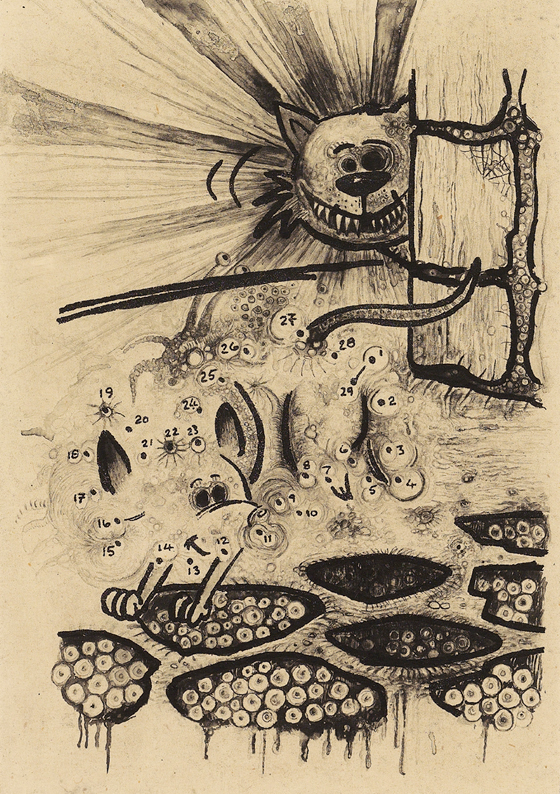
The V&A Museum of Childhood in Bethnal Green is a treasure trove of weird toys from creepy dolls to retro computer games. Jake and Dinos Chapman’s exhibition ‘My Giant Colouring Book’ illustrates the horrors lurking within the pages children’s dot-to-dot, colouring books. Using these books as the basis for a series of etchings, they actualise the potential for the uncanny and the terrifying that haunts the world of children’s stories.



Free-Time
To work with animation is to work with time: in the present we create images at author-time that will be viewed as from the past in the future run-time.
In our performance at the Parasol Unit on Friday 2nd December 2011, MK Palomar and Birgitta Hosea will explore issues of time. Combining spontaneous and pre-recorded sound, we will attempt to inhabit various temporal dimensions simultaneously.
MA Character Animation Week 1 2011
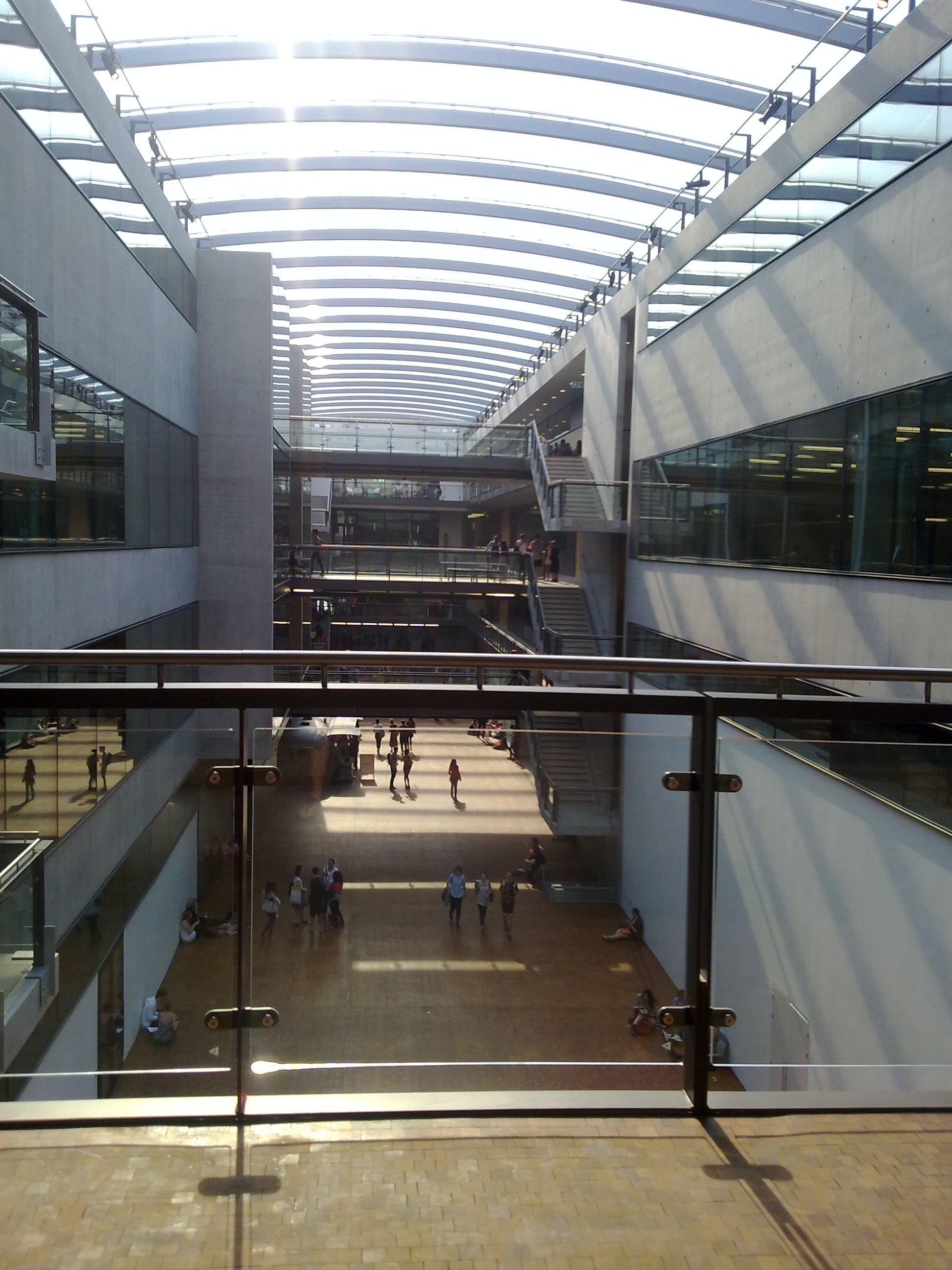
A new building opens, a new course starts and a new group of students start on their journey towards an MA in Character Animation. Here is Day 1: everyone is a little shy on the first day in the brand, spanking new animation studio.
 We are all a little overwhelmed by the new building.
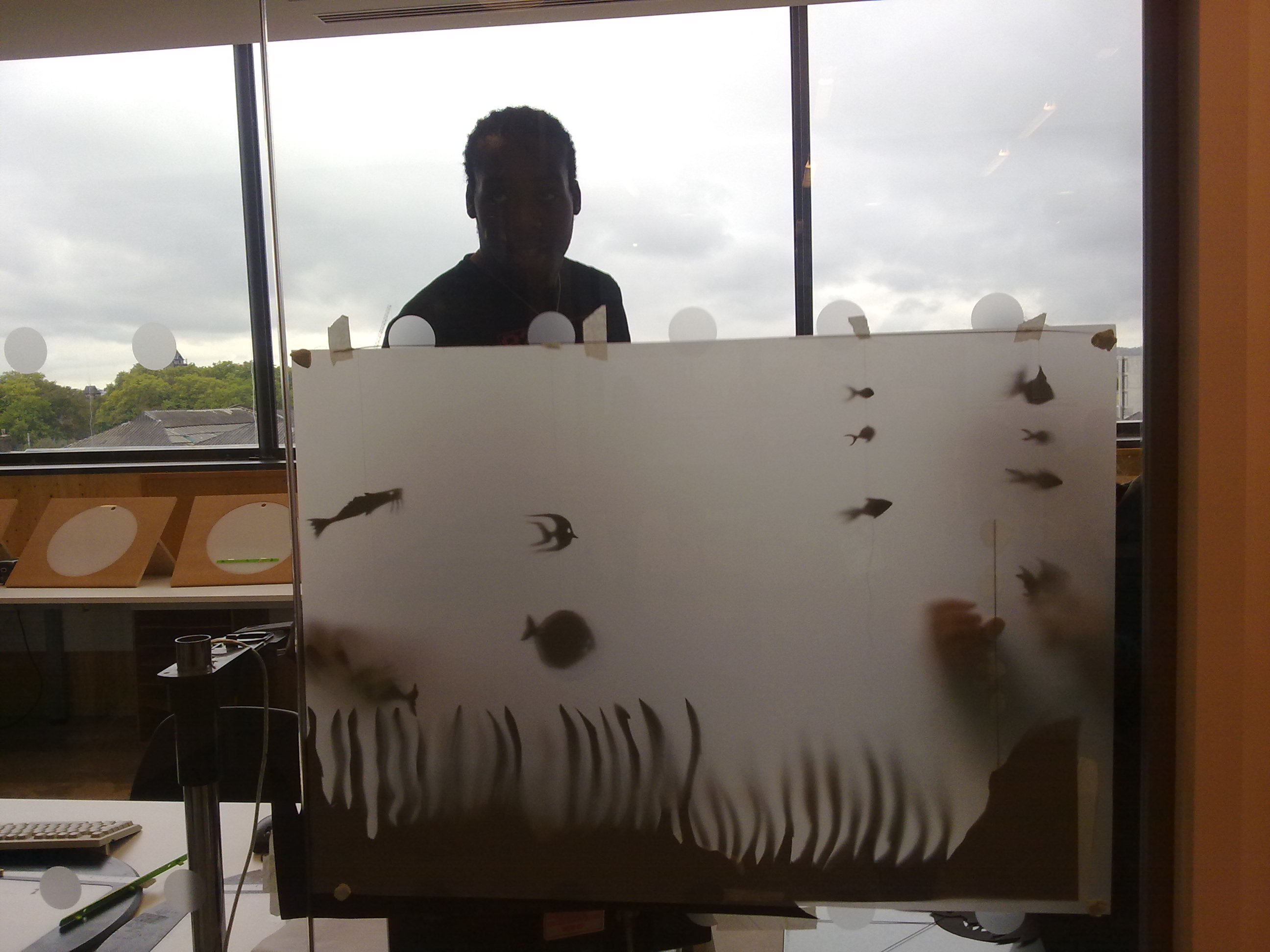
Day 2. Shadow puppets workshops. We started to make a mess and use the windows of the studios for screens to make shadow puppets on.




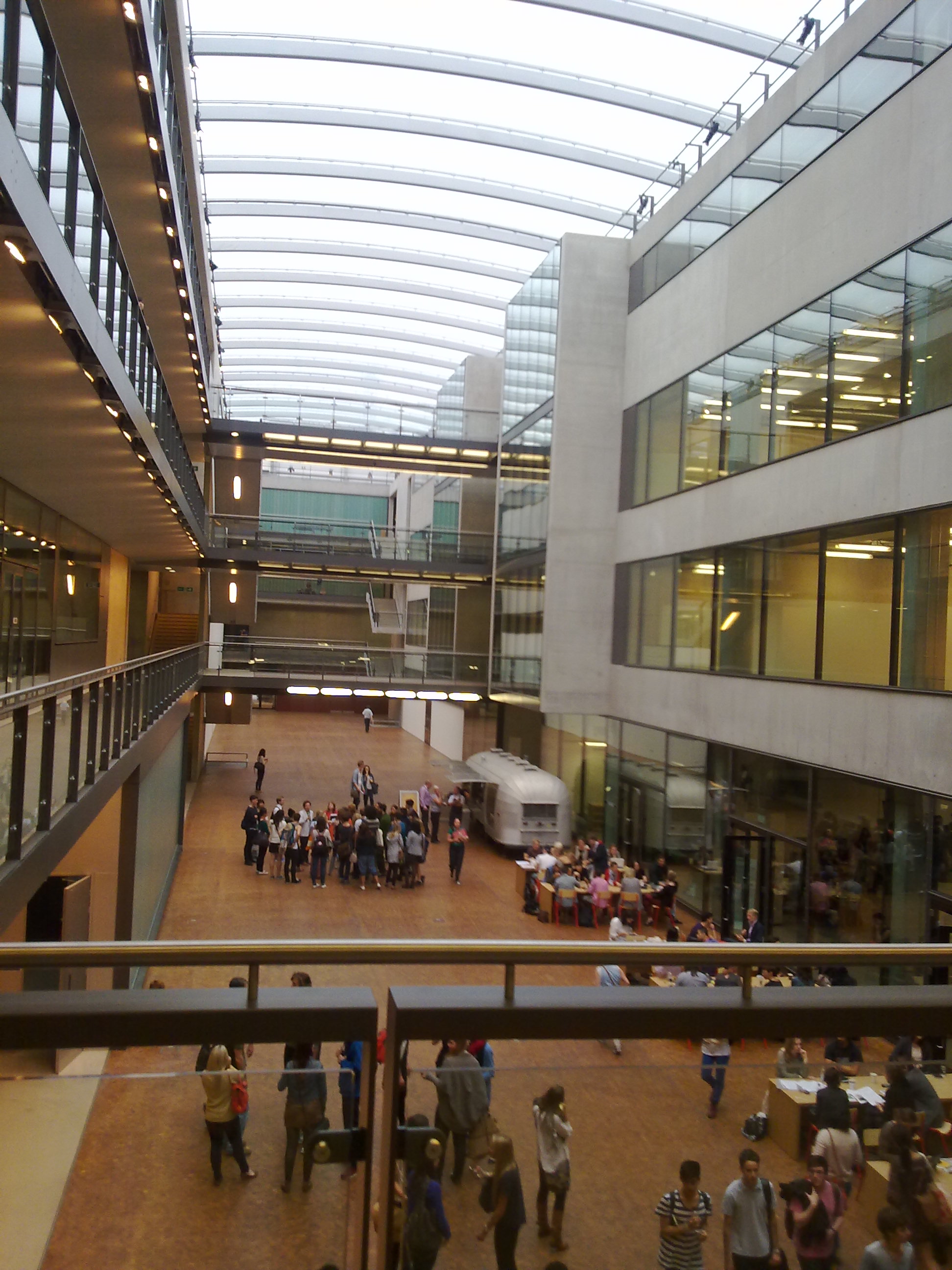
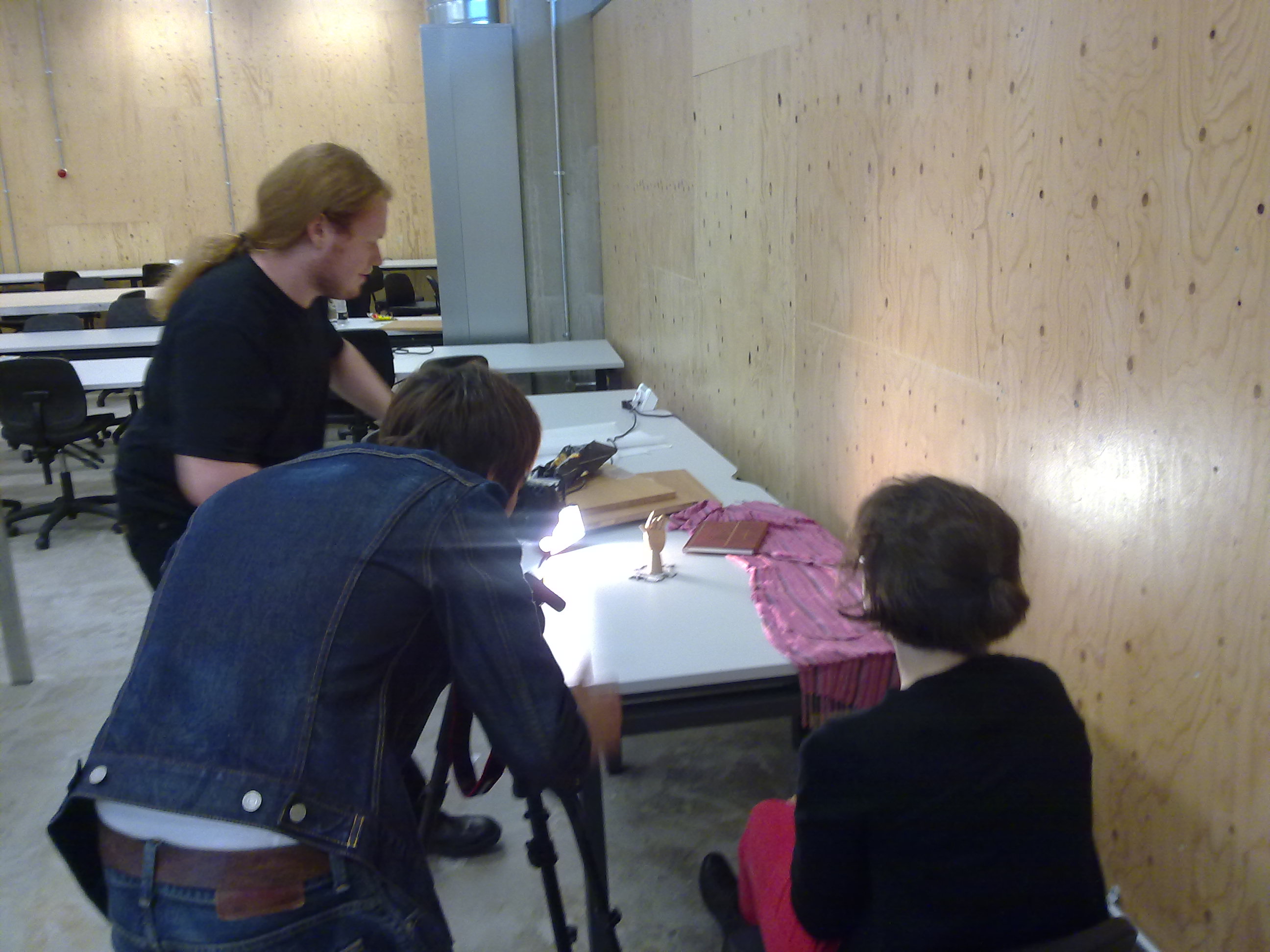
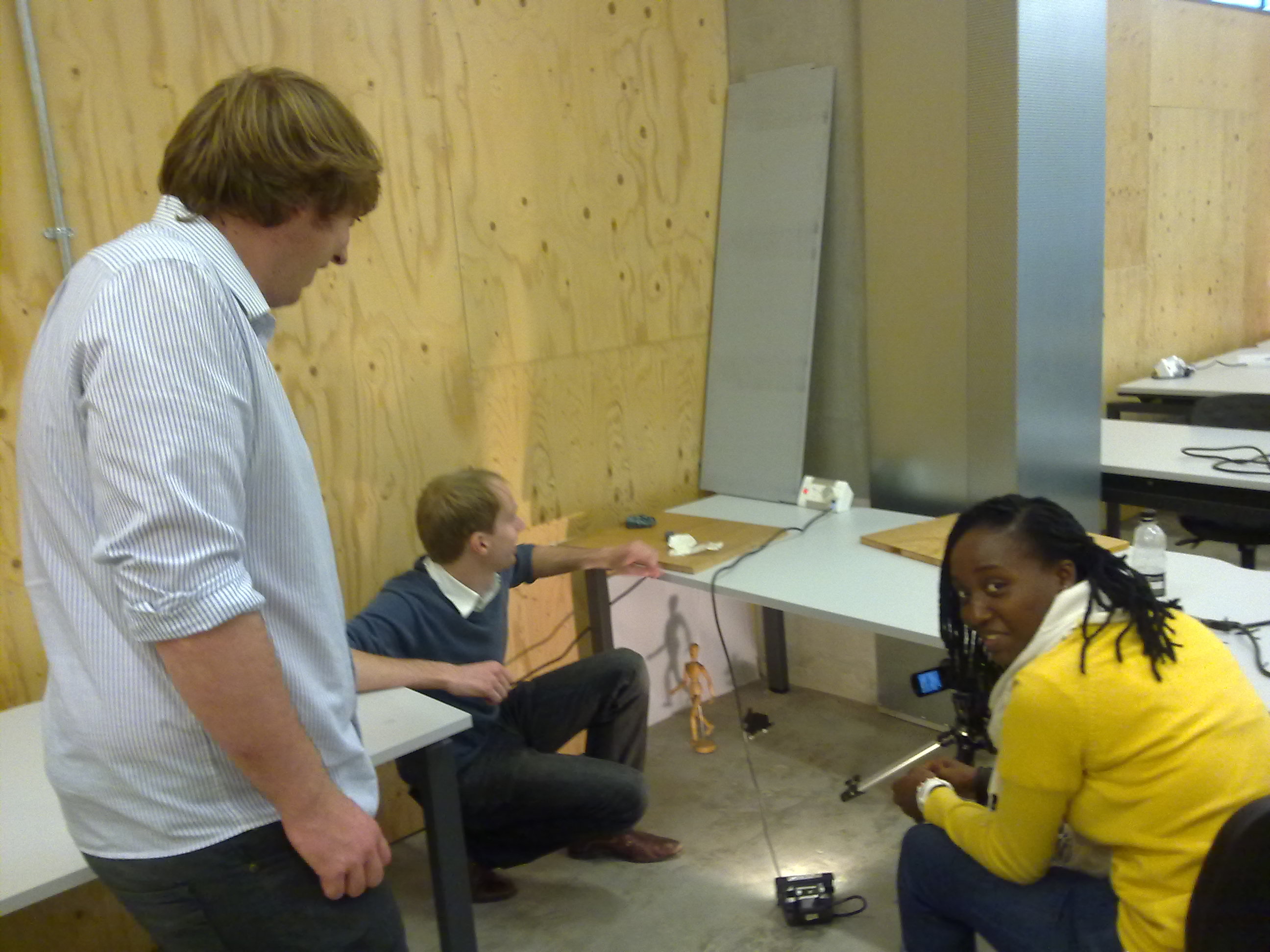
Day 3: By the third day we had started to own the space and took over lots of different areas all over the building in order to make films with found objects.




 Expanded Animation