An overview of Ecstatic Truth X: Animating Hope which was part of the UNDER_the_RADAR 2026 festival in Vienna.
Day 1: 26.04.26 Opening events
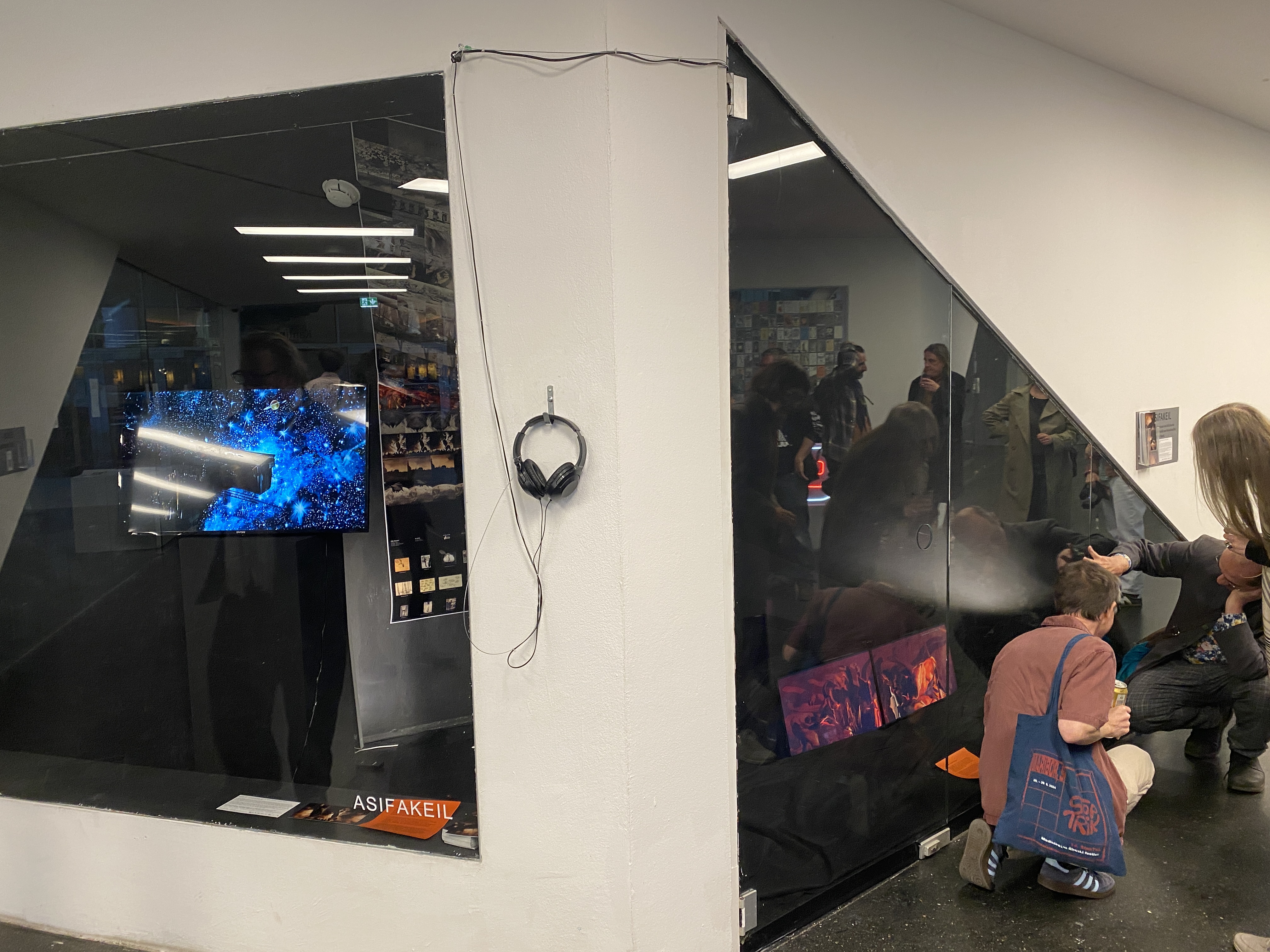
Events started in Q21 Museum Quarter with UNDER_the_RADAR’s exhibition launch for Juergen Hagler and co’s interactive project in the ASIFAKEIL gallery that responded to the movements of passers by. There was also screenings and presentations in Raum D.
Day 2: 27.04.26 Keynote 1: Juergen Hagler
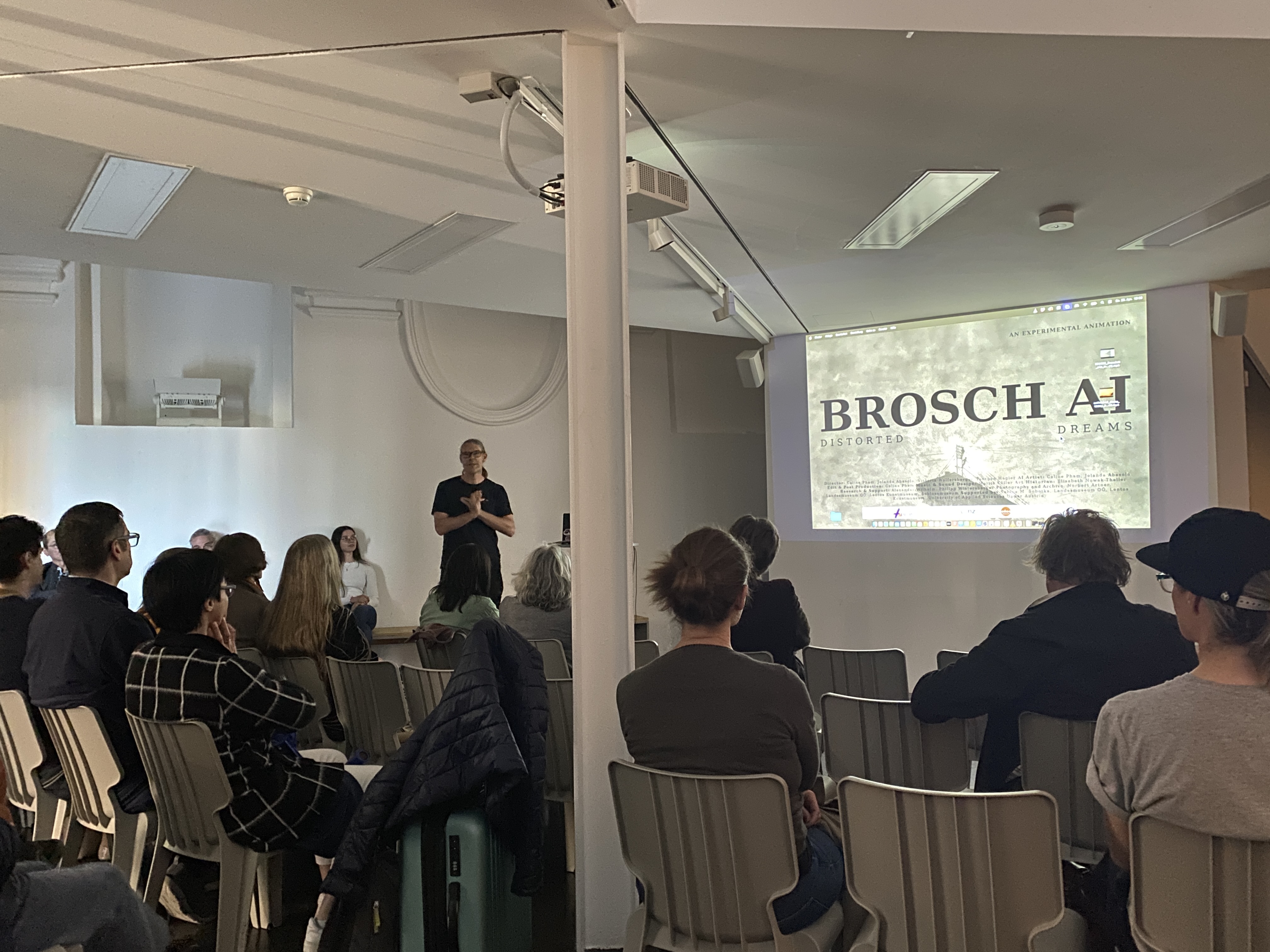
The symposium took place at the University of Applied Arts Vienna. In his keynote, Hagler presented a critical overview of the development of AI animation and outlined the details of his team’s ethical use of AI to animate the archives of Austrian artist Clemens Brosch for a forthcoming centenary exhibition. Whilst acknowledging the limitations of AI, he argued for the hope that it can be a useful tool in the hand of trained experts, but should not be used to offload the process of creativity to or as a substitute for learning and deep engagement with the disciplines of animation, storytelling and visual communication.
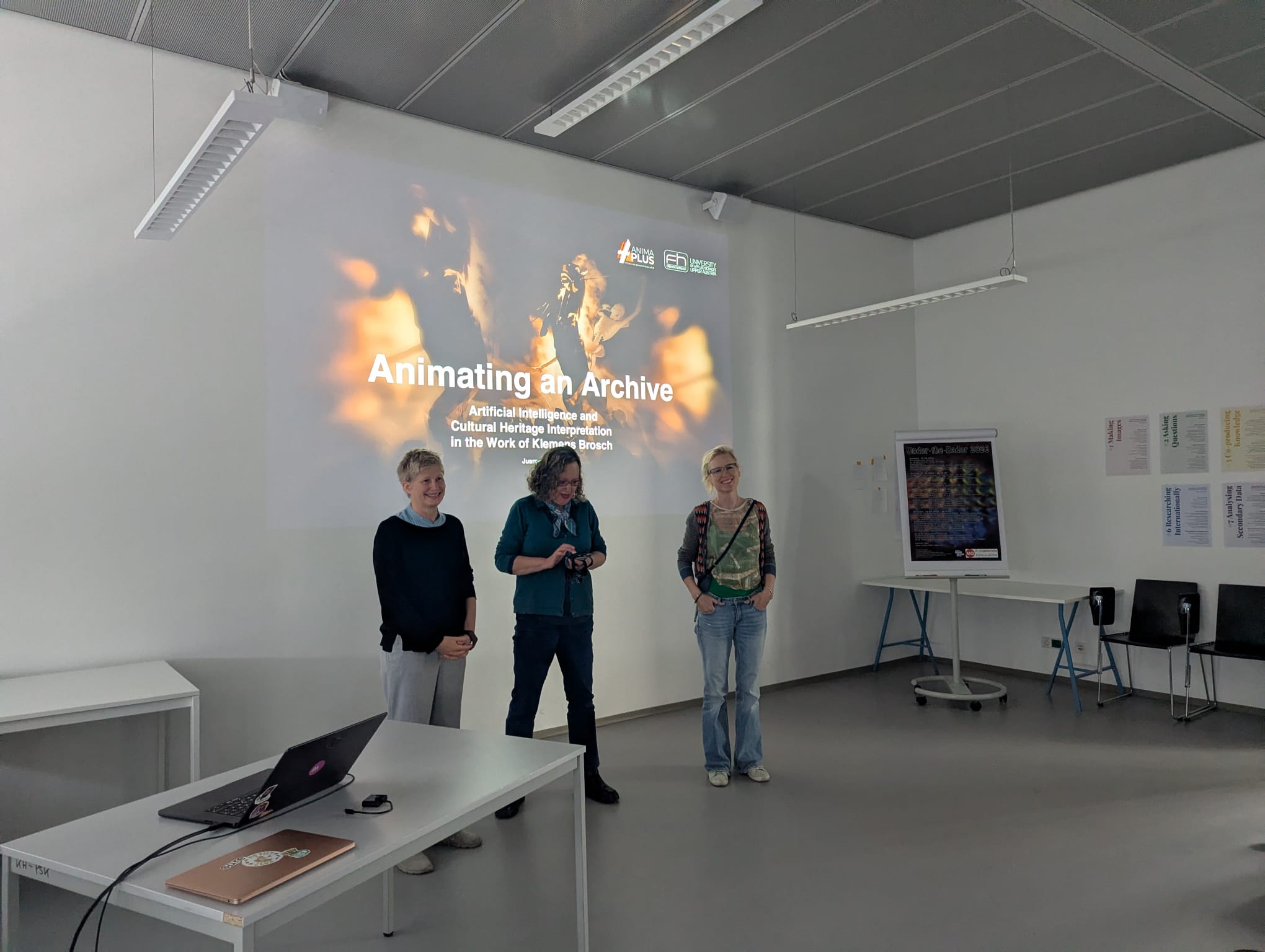
PANEL 1 Ecstatic Truth: Uncertainty, Speculation and the Not-Yet
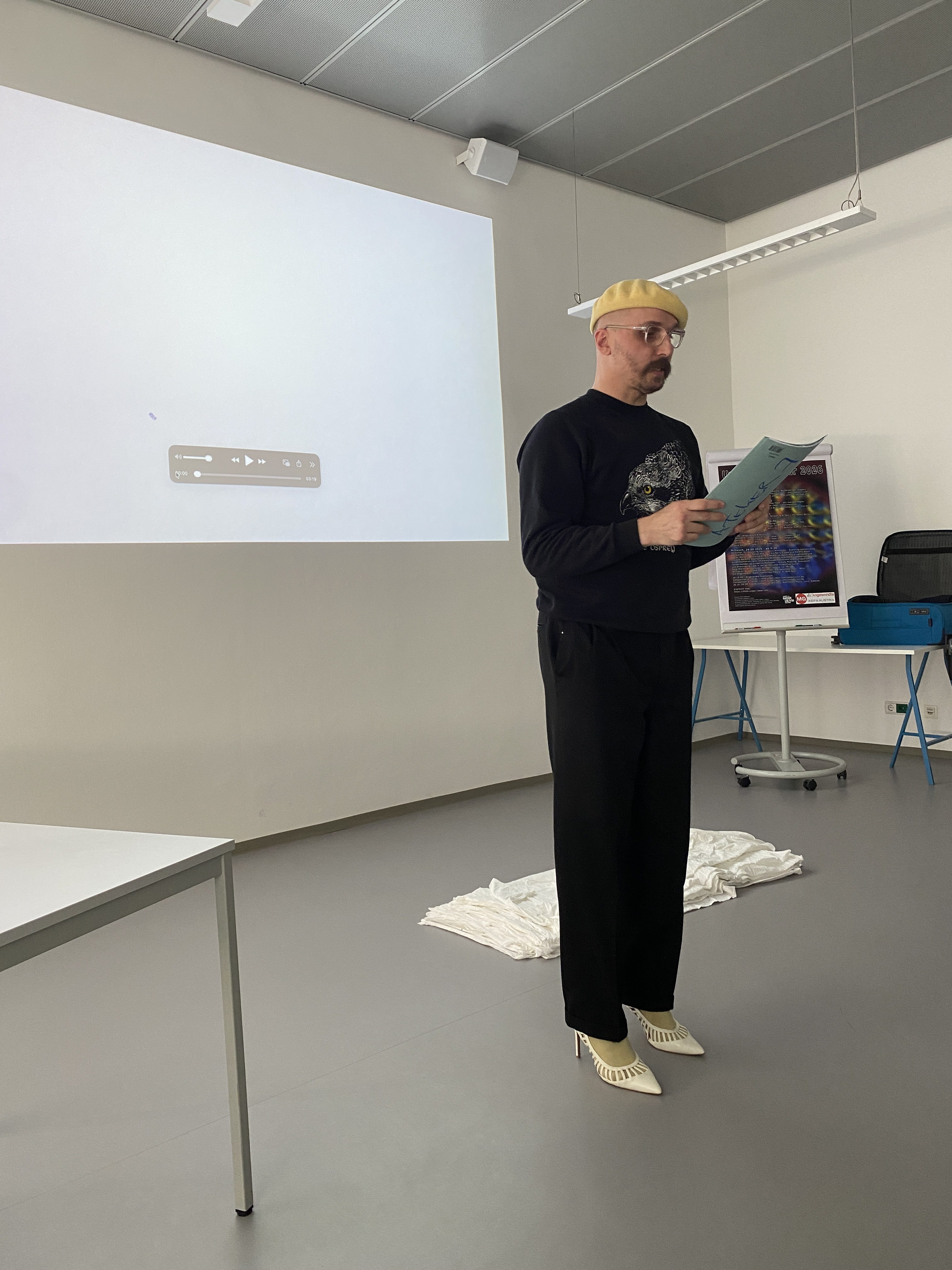
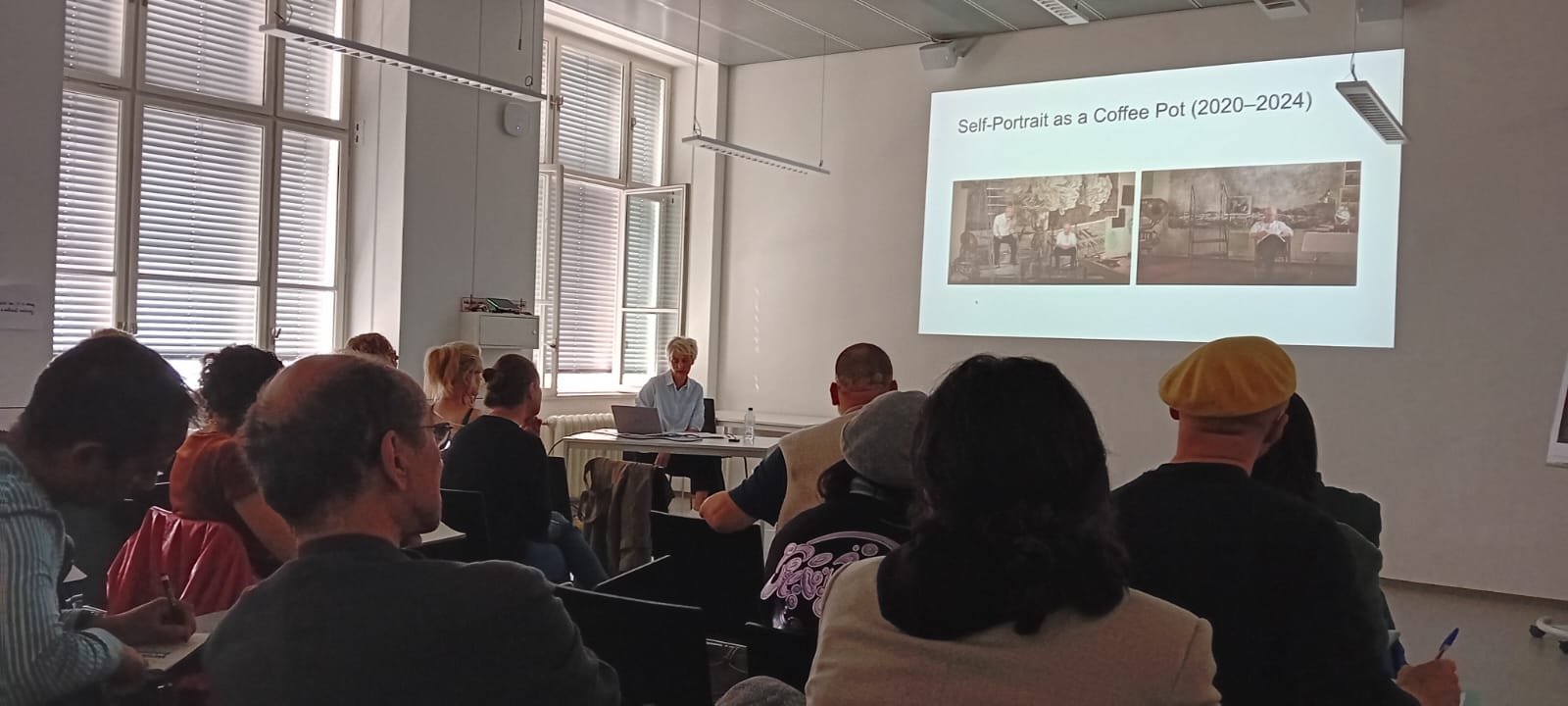
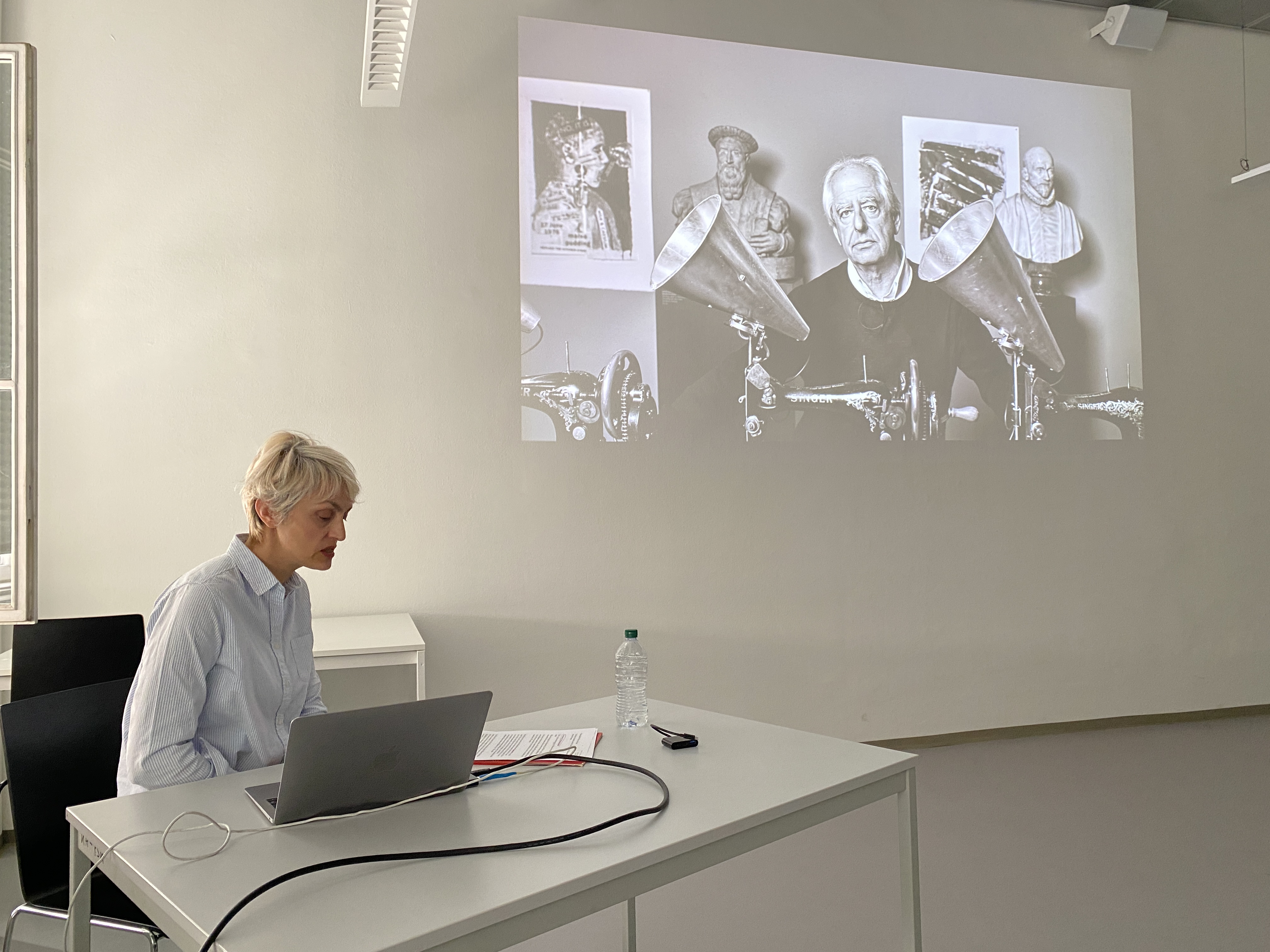
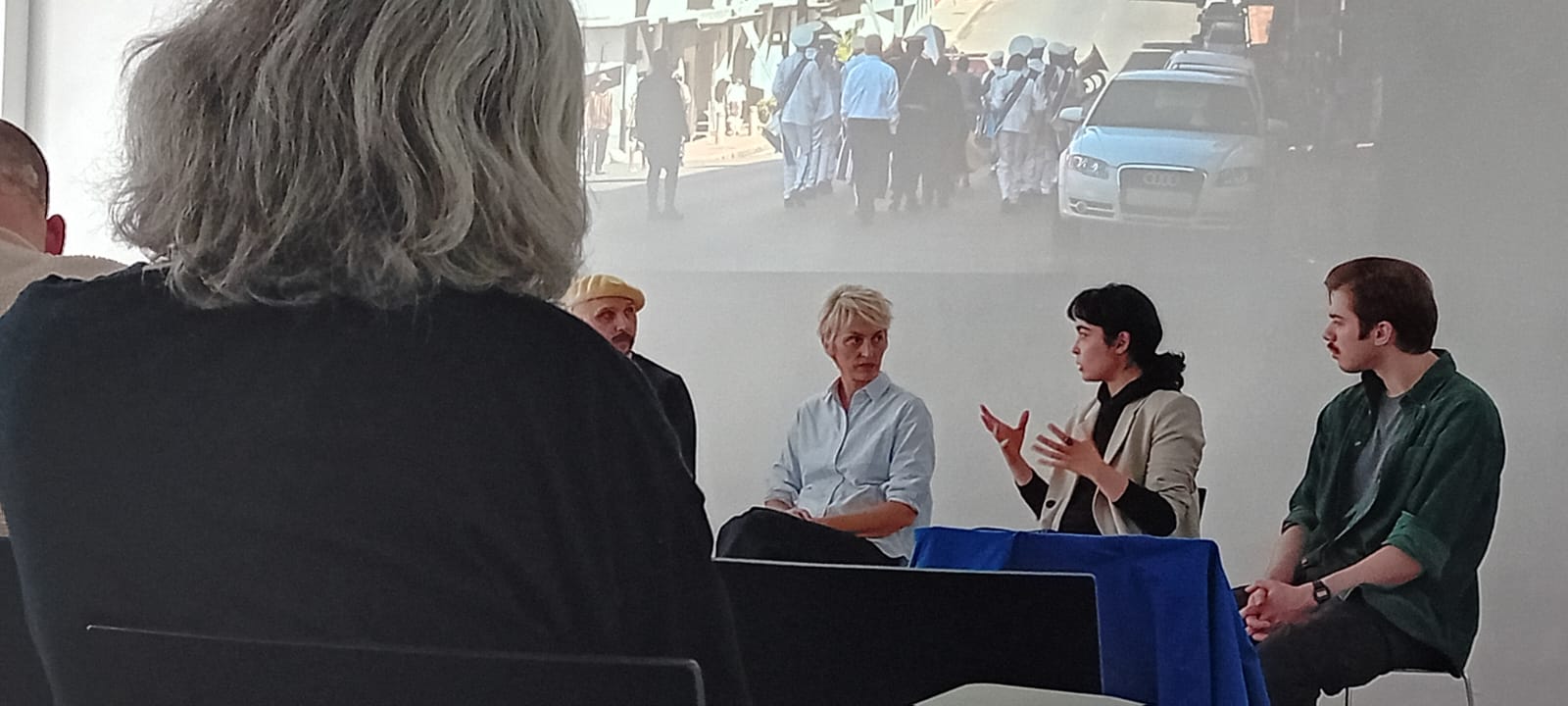
In the first panel, Bahar Kiamoghaddam, Isaac Parkinson, X. (aka Xavier Gorgol) and Andrijana Ružić gave presentations that wove together themes of animation’s potential for active hope, for what can we believe in at this post digital moment when there is no longer faith in the indexical truth of photography as evidence. What is the truth? Manipulated animated images can be used to falsify the representation of current events (BK), but they can also be used to present different forms of reality, other forms of ‘ecstatic truth’ as Werner Herzog termed it. So animation can be based on clearly authored and positioned witness statements; it can distill complex arguments into powerful memes or create computational assemblages of multimodal forms of data, such as Forensic Architecture, who use the tools of animation to argue for interpretations of events based on diagrammatic representations pieced together with mass collective testimonies formed out of cross referenced personal archives on social media and publicly available open source information that provide evidence and material support for campaigning investigations (IP). Animation can also be used to re-narrate and re-assemble traumatic events, providing the opportunity for close examination and propositions for alternative endings (BK). This might involve the re-animation of personal archives of images and objects to change the story and come to terms with the past. Animation can go beyond the indexical to present many subjective ways of being in the world such as queer, gender nonconforming and intersex epistemologies and, thus, act as a form of resistance to prejudiced ways of thinking (X). This brings to mind the ethics of philosopher Emmanuel Levinas who argued for authentic encounter with the Other. An example of this is the work of William Kentridge whose charcoal smudges give a space to the ghosts of past injustice. Kentridge’s embodied studio practice becomes a moment of thick time in which the process of drawing and animating becomes a process of contemplation and sense making, a safe space for uncertainty, failure and the ‘less good idea’, a praxis of hope in which insight emerges from the activity of making. Kentridge’s collective projects in his Centre for the Less Good Idea in Johannesburg were also considered as a hopeful symbol of collective creativity (AR). Finally, we were reminded of Herzog in his new book saying that the truth may be fragile but we must never stop searching for it (TS).
Keynote 2: Pedro Serrazina
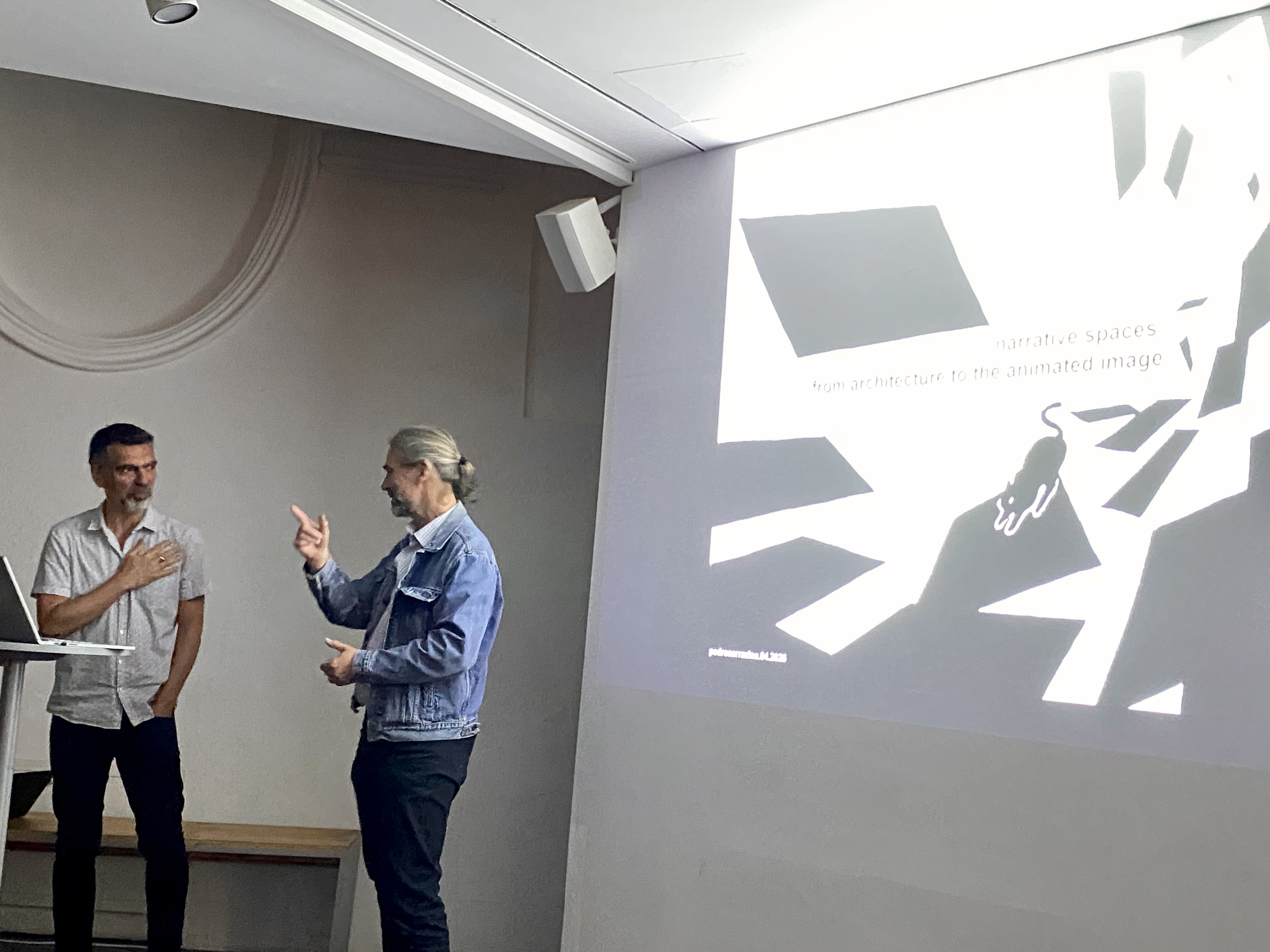
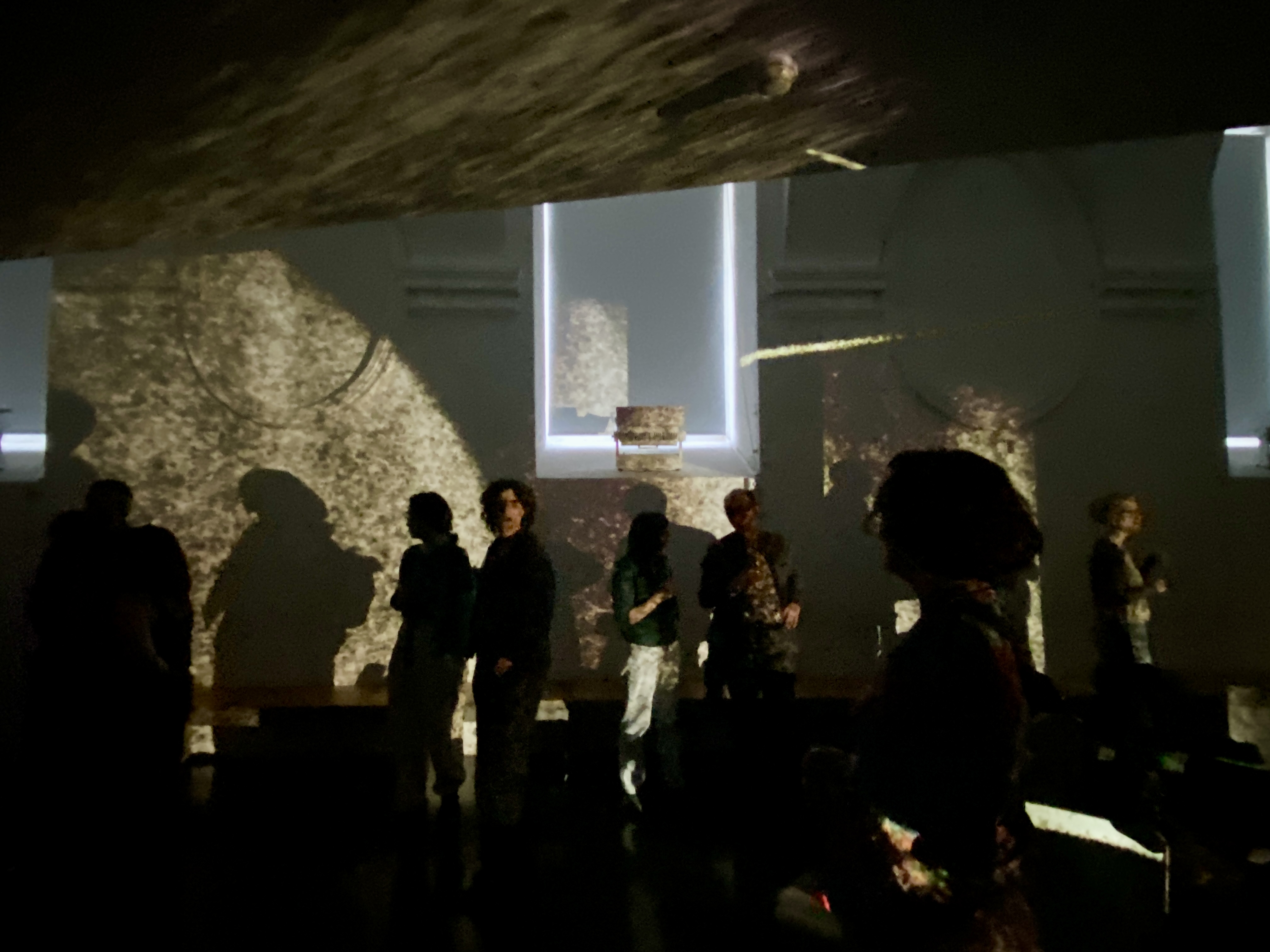
In his retrospective screening at RAUM D, Pedro Serrazina presented his interest in space and the built environment, raising issues about gentrification and how animation might unify and connect people. His installation, ‘Shadows of Ourselves’ re-storied the venue into a space of wonder through abstract patterns of light and shade, because ‘when we forget empathy and acceptance of the other, we become shadows of ourselves’.
Day 3: 28.04.26 Keynote 3: Gabrielle Jutz
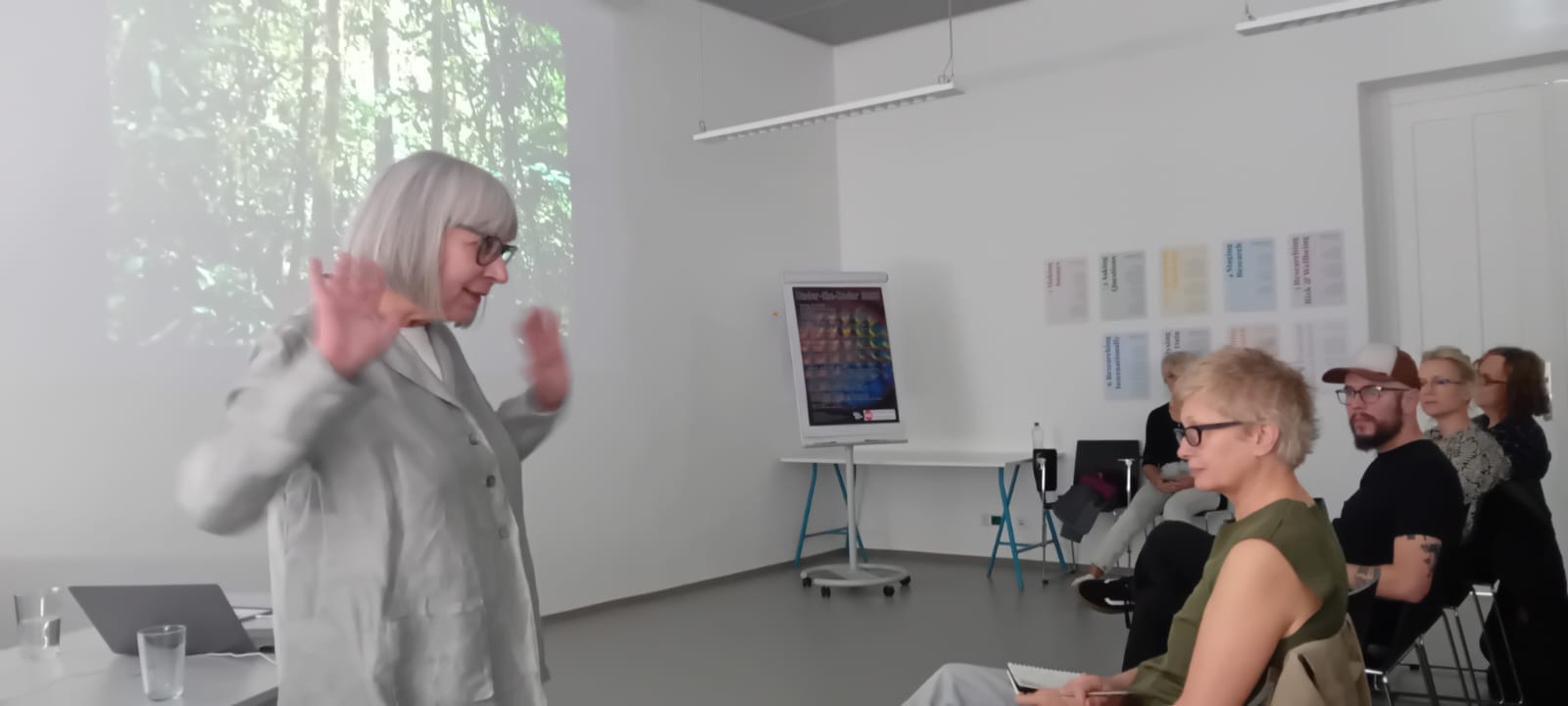
Gabrielle Jutz’s keynote ‘How to Film a Forest in the Anthropocene’ contrasted two approaches to animated documentary and a dilemma – is the filmmaker’s own personal viewpoint the only strategy or could it ever possible to capture some kind of posthuman viewpoint in which nature is in the forefront and the anthropocentric human bias removed.
PANEL 2 Changing perspectives: On Hope and Recovery
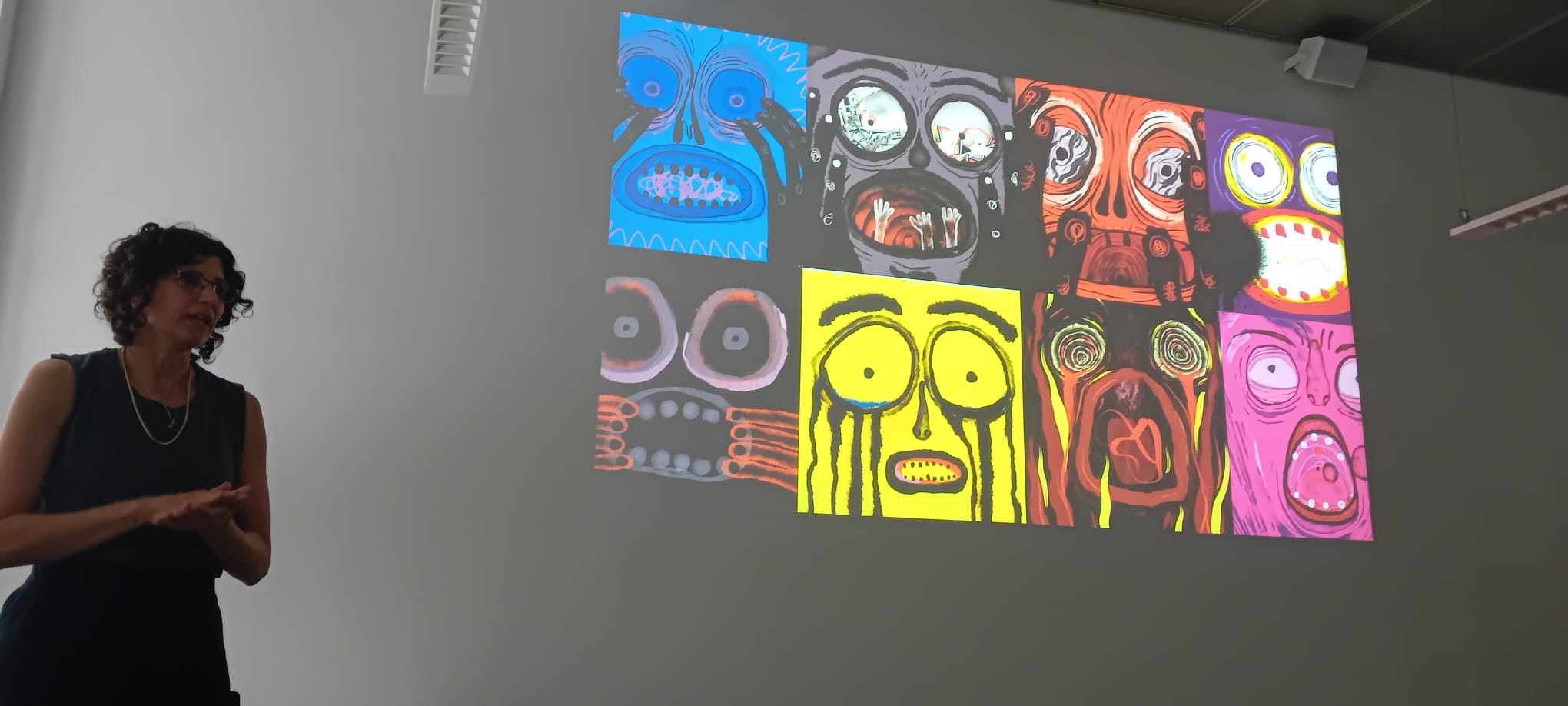
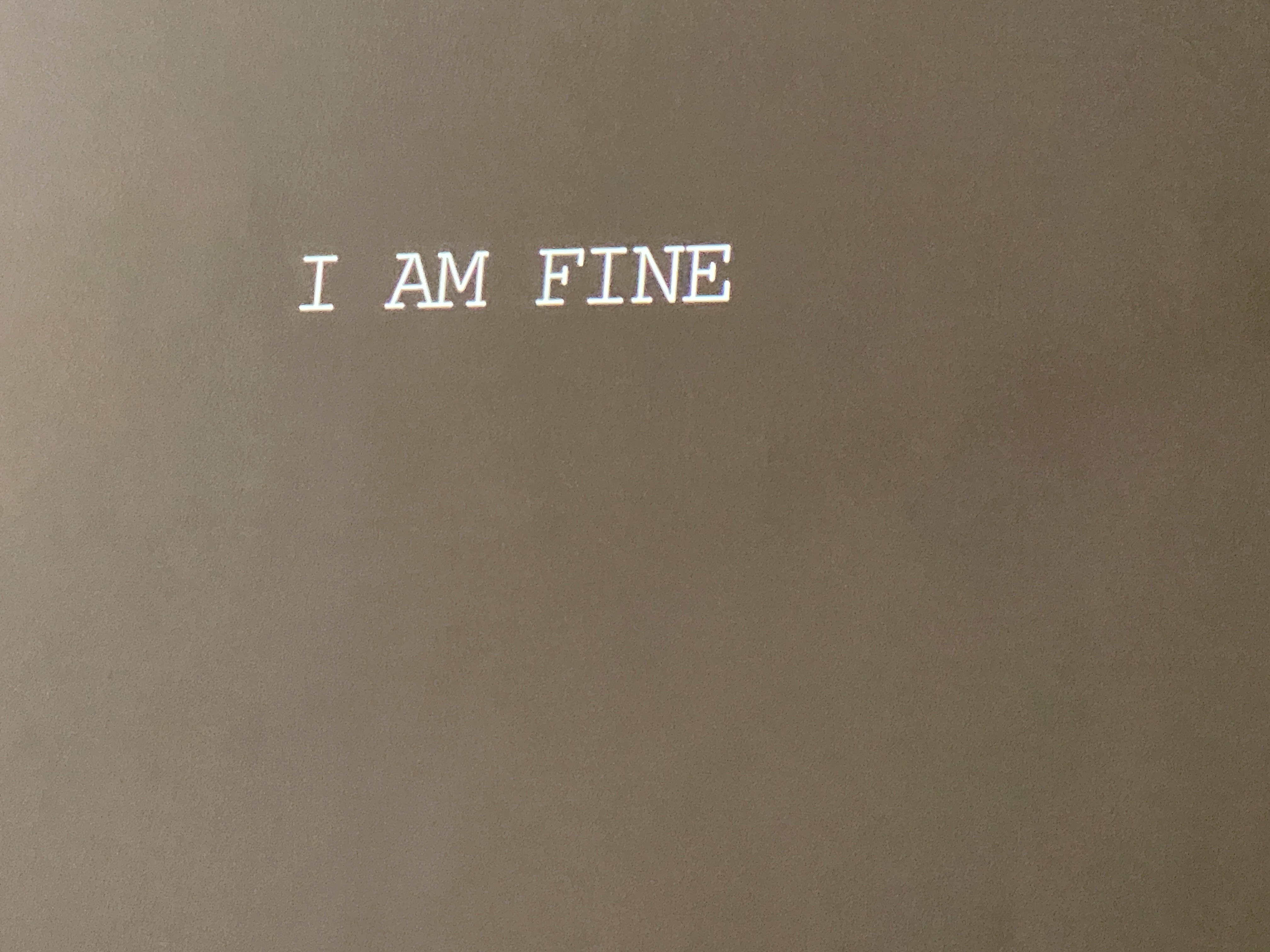
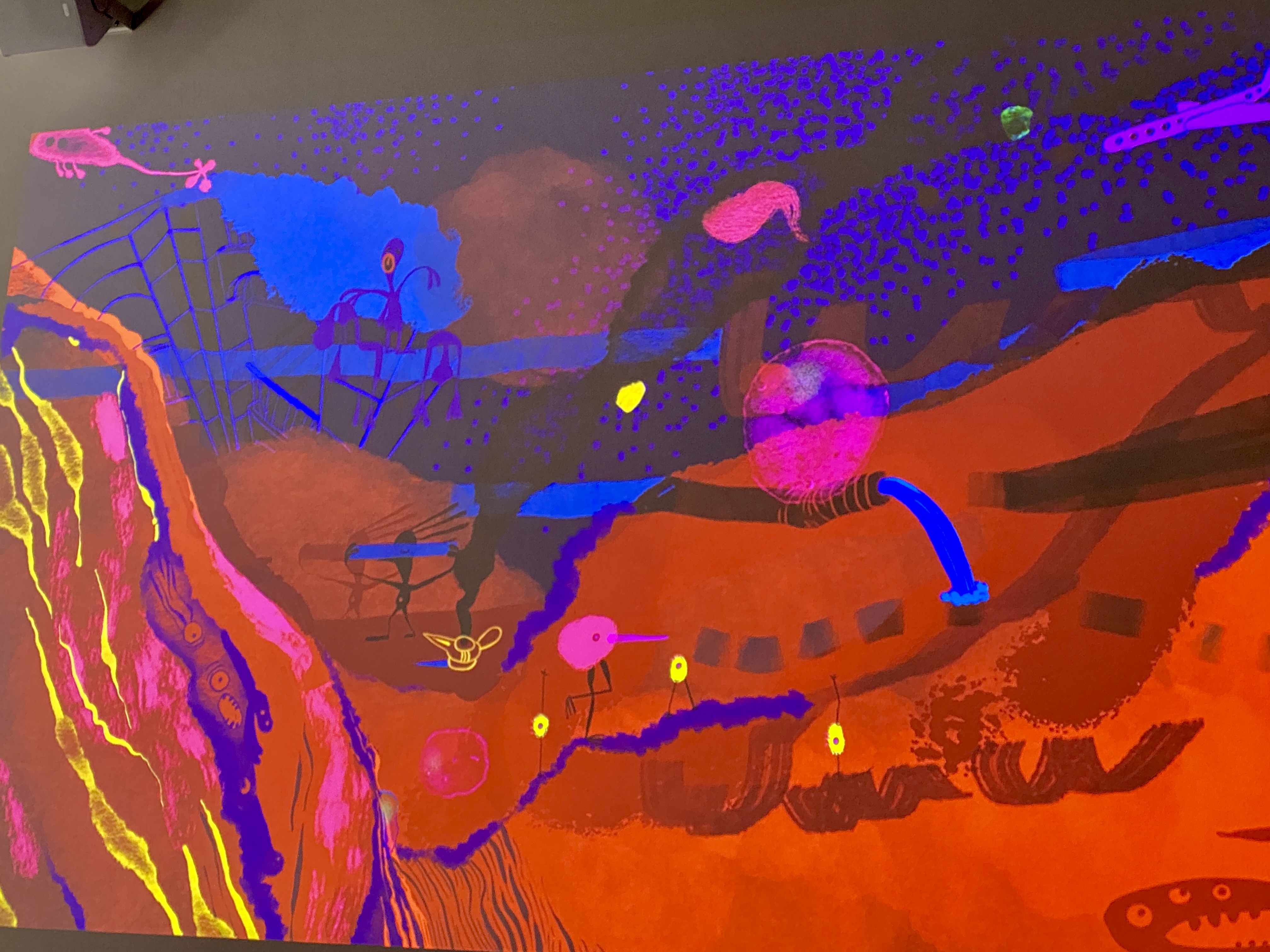
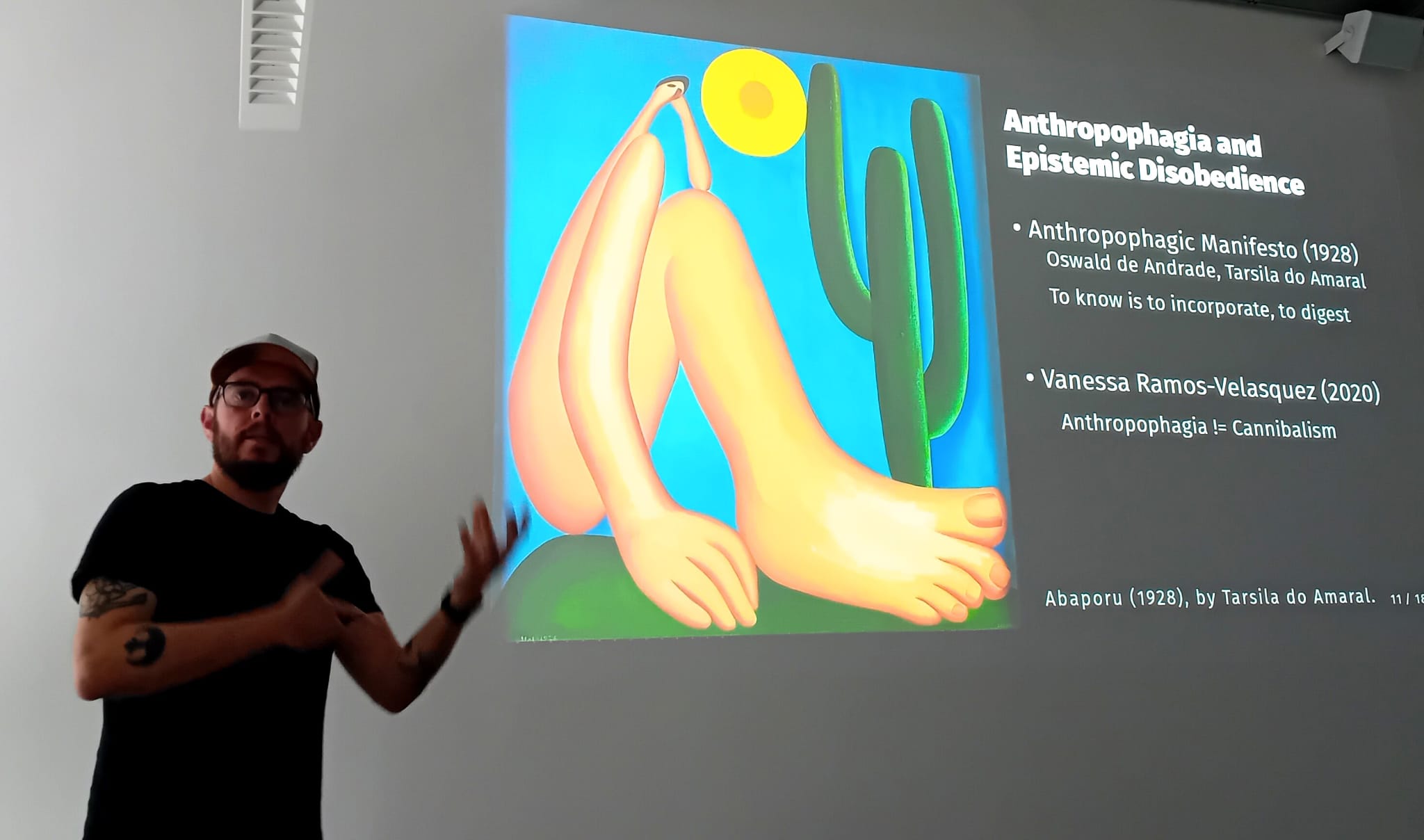
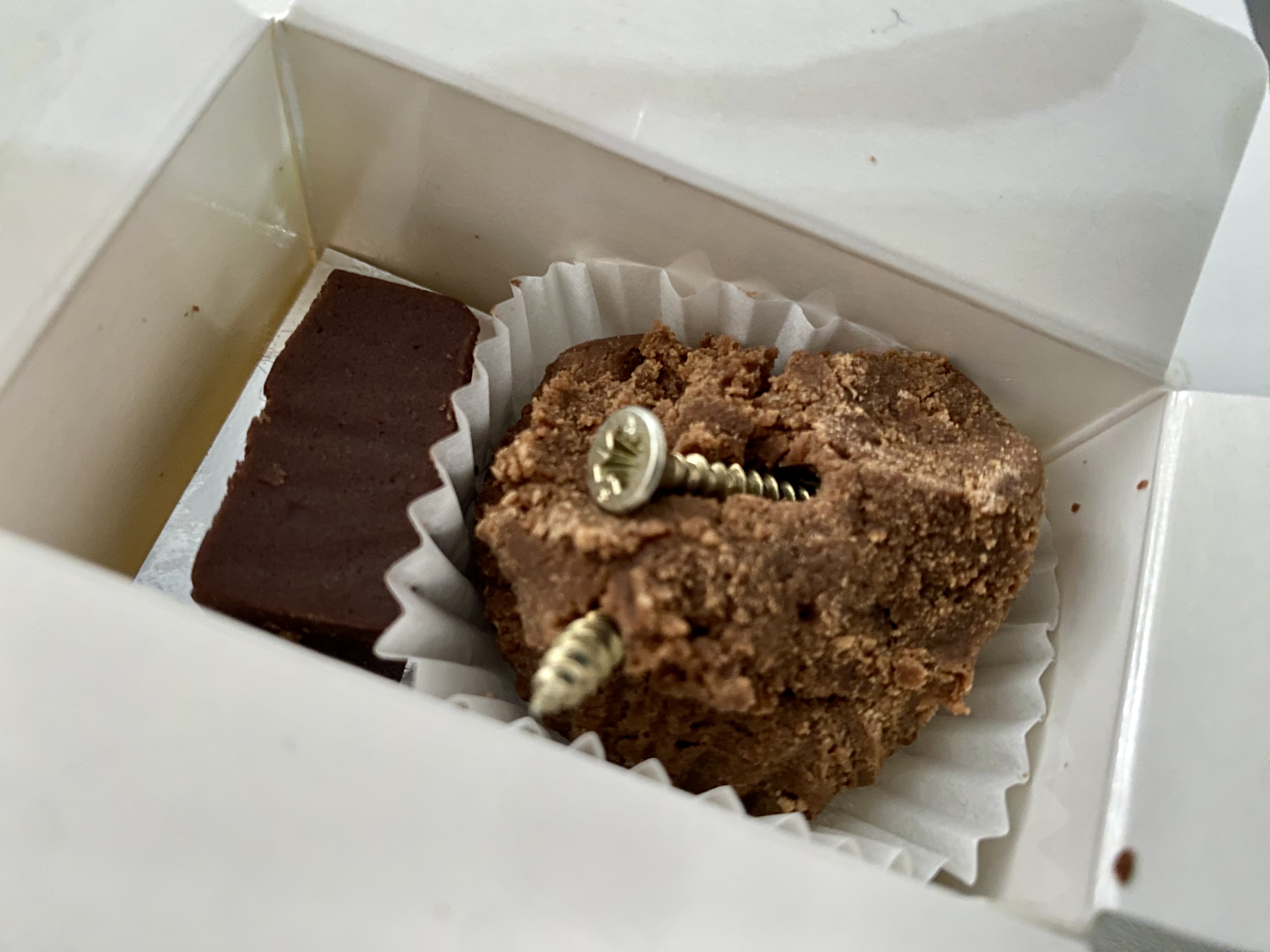
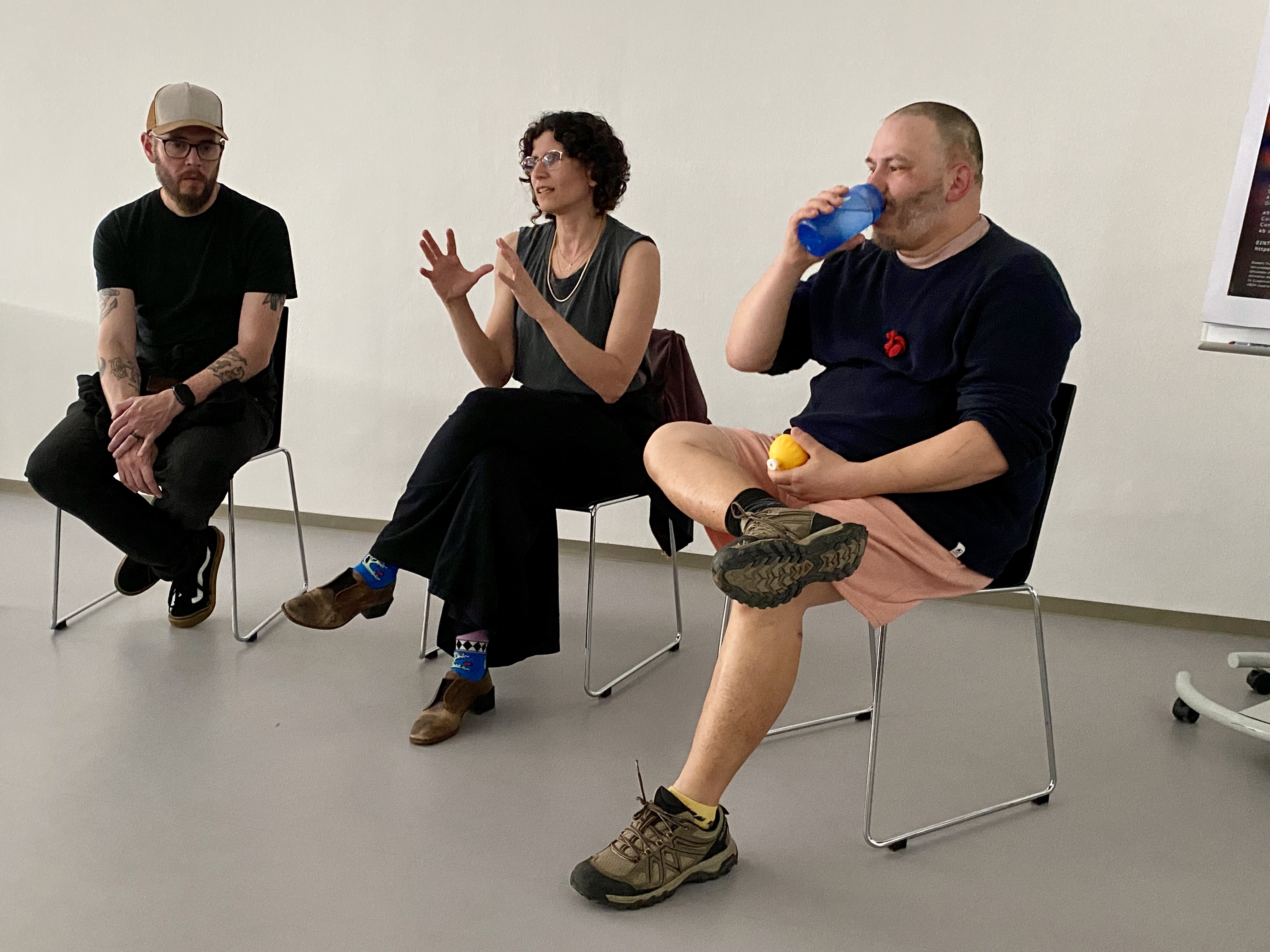
In Panel 2, Osi Wald, Virgilio Vasconcelos and Rares Augustin Craiut presented perspectives on the use of animation for shifting paradigms. OW showed animated loops of protest and quiet domestic moments created as a methodology for survival, persistence and resistance in a time of war. In an interesting discussion, the loop was variously considered as the therapeutic holding onto a comforting moment or perhaps a permanent imprisonment within a situation that never changes and you can’t break out of or perhaps even, when conceived of as a spiral or in three dimensions, it could be viewed from different angles. Does technology trap us into particular modes of thinking or worldviews? Can the core methods of animation resist this? In traditional frame-by-frame animation, we continually flip between views of the past and the present in order to make the future. VV connected this with the anthropophagia art movement of 1920s Brazil. In an attempt to decolonise their artworks, Brazilian artists of this period looked to the autophagy rituals of their ancestors as a metaphor. Condemned as cannibalism by the colonisers, these were not about eating other humans for food but a ritual to digest and assimilate the powers of noble enemies, a process of synthesis and reflection. These artists considered themselves to be collectively digesting and synthesising the art forms of their colonisers. Gen-AI was proposed as a form of commodified cannibalism in which the ideas of others are extracted and sold. Continuing the theme of digestion, we were all invited by RAC to eat chocolate as a form of sensory participation in his story from a childhood in communist Romania. With reference to Suzanne Buchan on pervasive animation, through the symbolic action of eating chocolate, animation was proposed as a form of material transformation and sensory, affective encounter.
Keynote 4: Tereza Violet Stehlikova
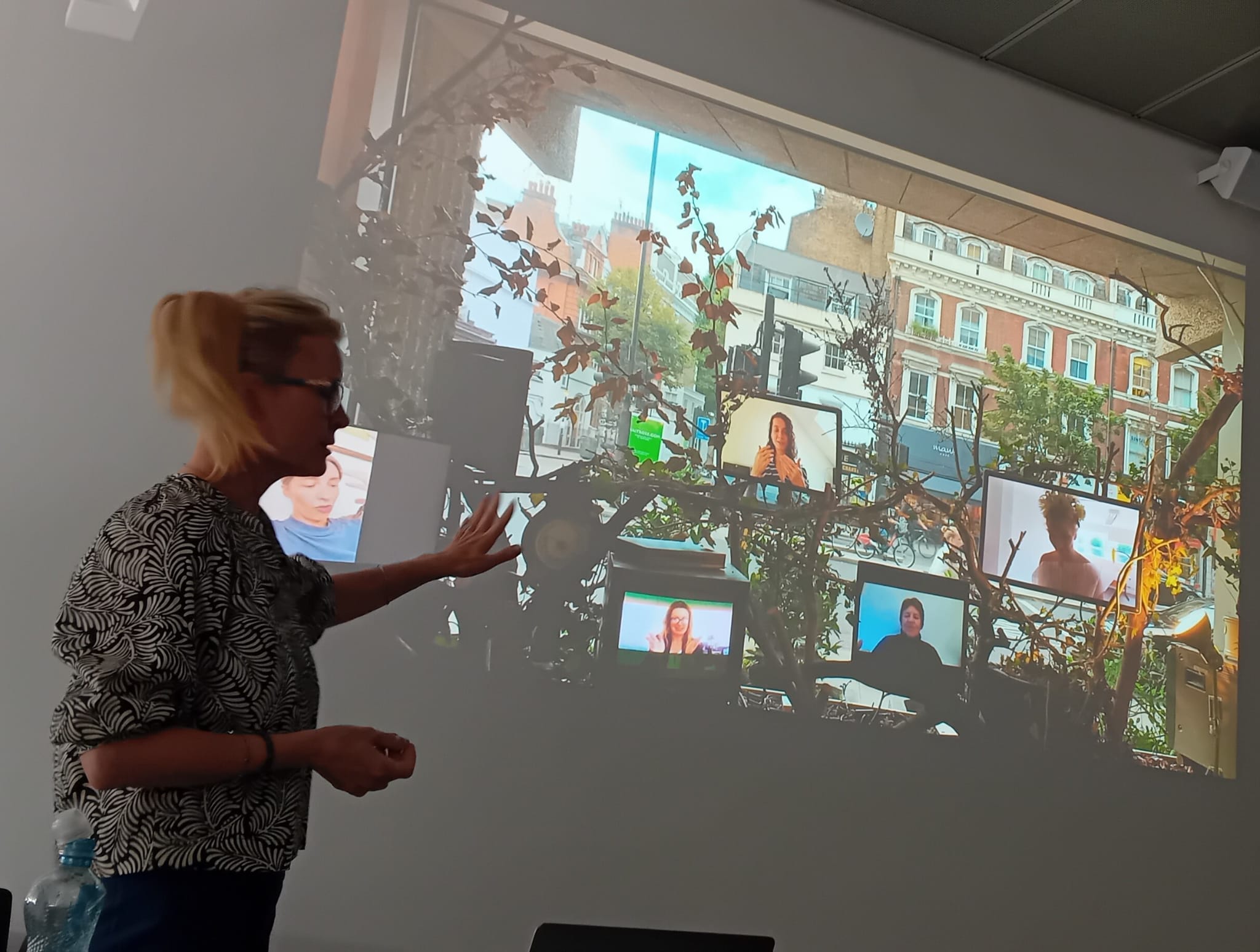
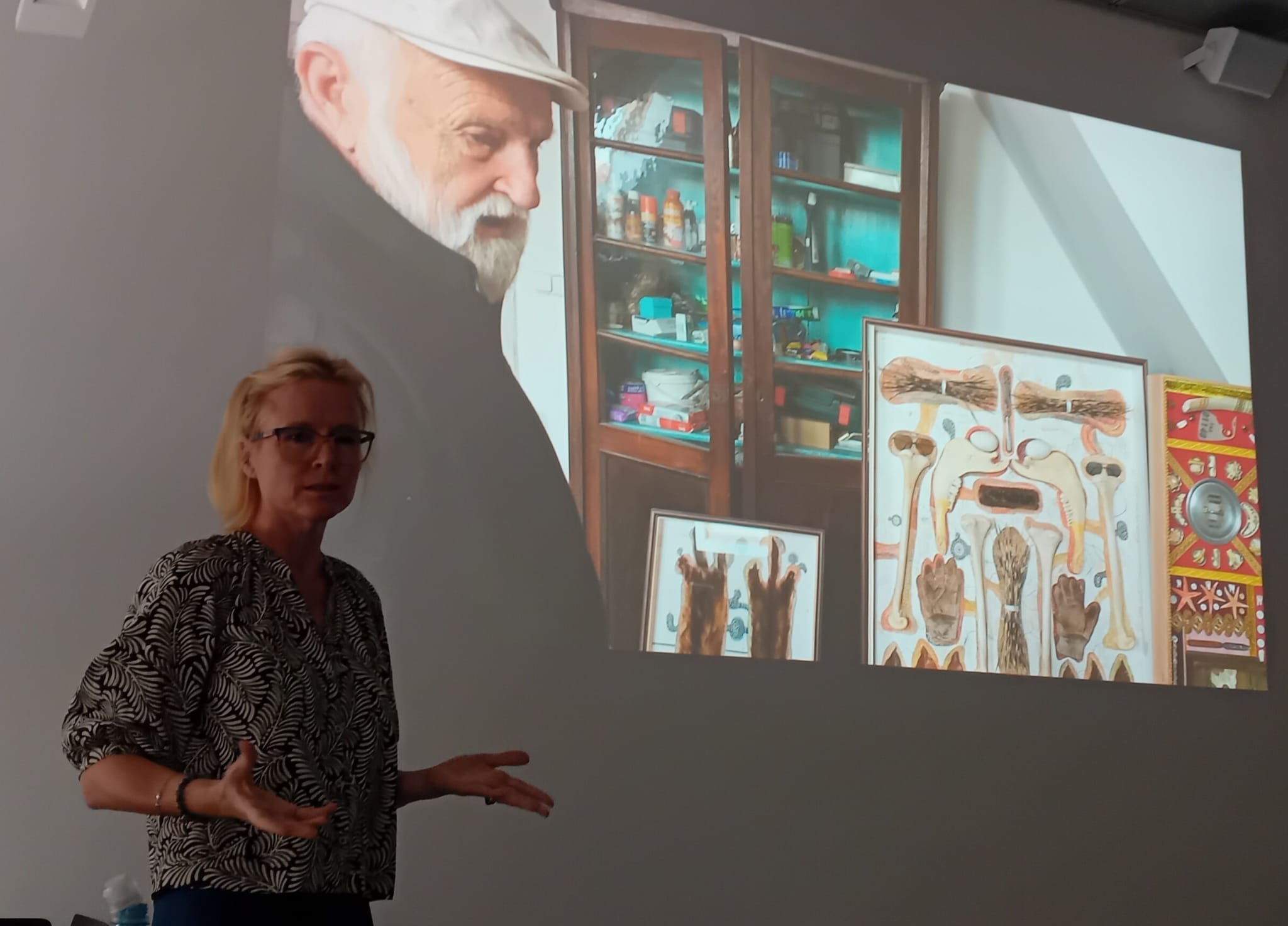
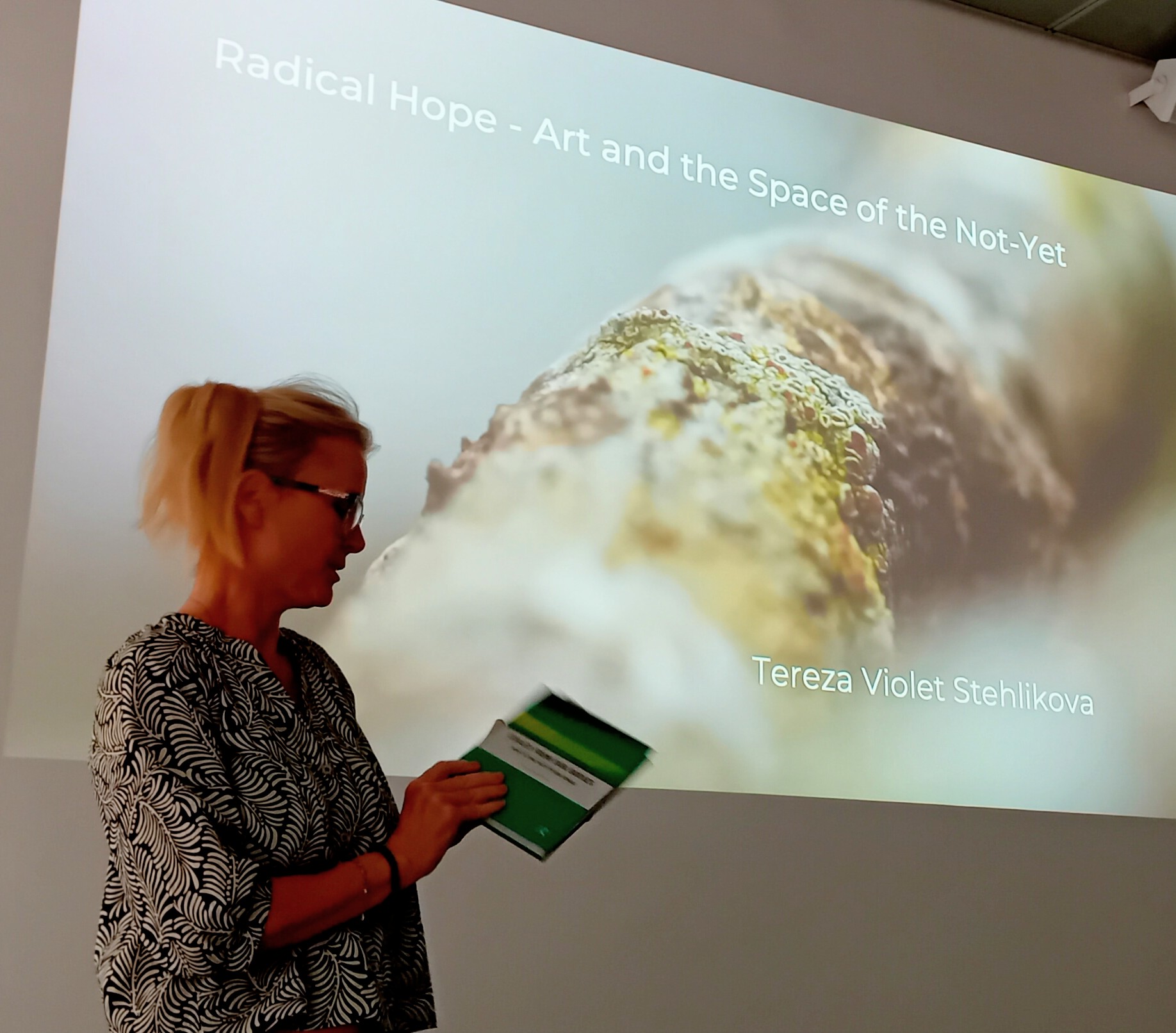
In her presentation, ‘Radical Hope – Art and the Space of the Not-Yet’, Tereza Violet Stehlikova drew on ideas from her book Exiled from Our Bodies: How to Come Back to Our Senses to explore radical hope as something that emerges not through technological optimisation, innovation or the promise of ever-greater control, but through our capacity to remain open to the unresolved, the ambiguous and the not-yet-formed. Reflecting on art’s ability to create liminal spaces in which habitual ways of seeing begin to dissolve, she considers how both art and nature can open up new possibilities for perception, meaning and transformation.
Panel 3: Ecstatic Truth @ 10 years discussion with Birgitta Hosea, Tereza Violet Stehlikova, Pedro Serrazina, Natalie Woolf, Holger Lang
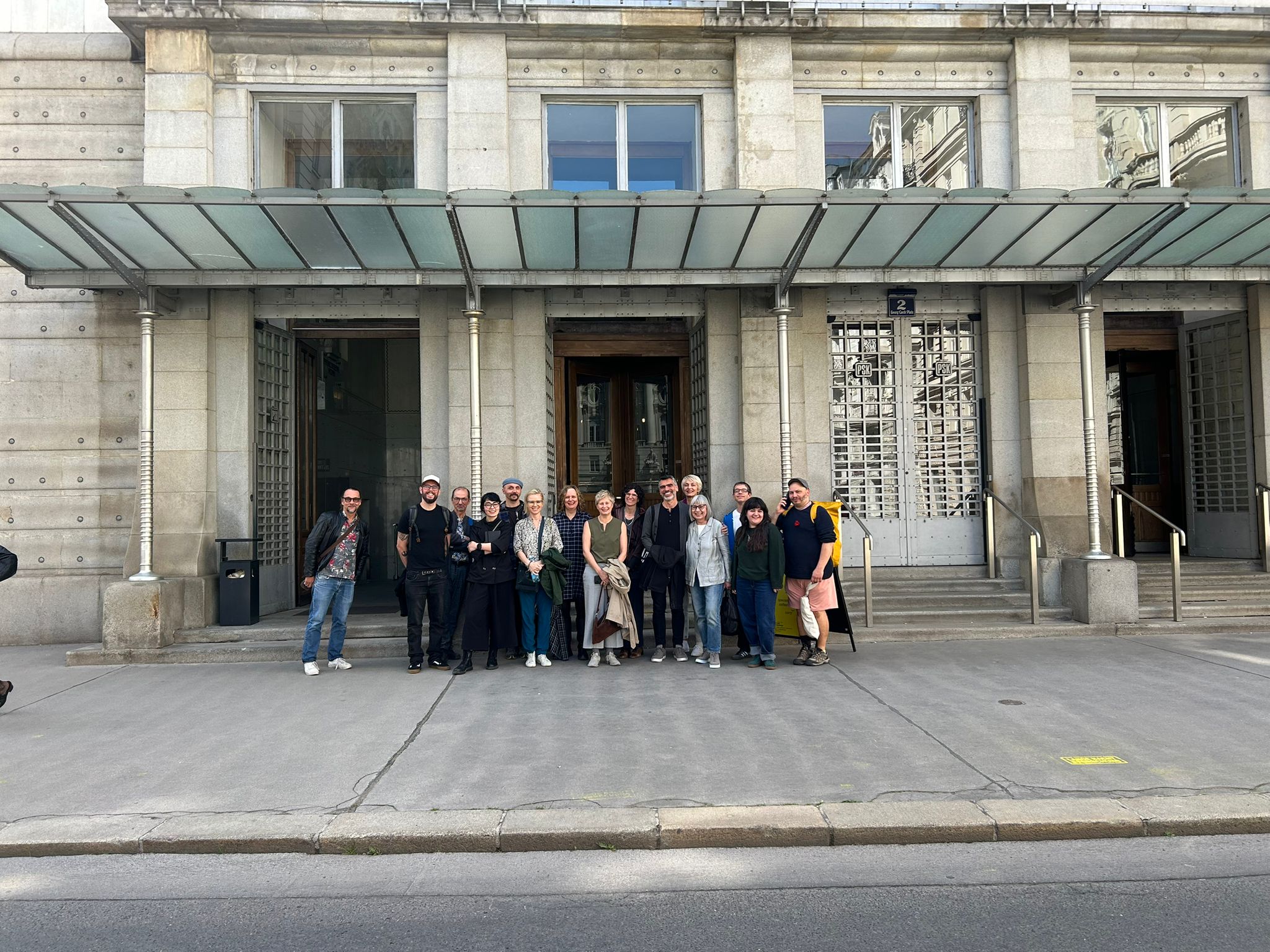
At the intersection of experimental practices in expanded animation and post documentary, for over 10 years we have organised symposia with multiple approaches and perspectives. Our concern has never been to restrict, to categorise or to propose narrow definitions of animated documentary, but to open it out by considering the many intersecting issues on the fringes of this concept. Using Werner Herzog’s notion of ecstatic truth as a stratum of truth that exceeds the merely factual, we have sought to promote discussion of innovative approaches to animation that are socially engaged and based in lived, embodied experience. As a small, voluntary, international collective, we have been able to be agile in our choice of themes and ours were the first symposia in animation studies on niche topics such as colonialism, absurdity, embodiment, AI, decoloniality and practice-based research. The discussion concluded with a call for new collaborators to join us and invigorate future versions of Ecstatic Truth.
Our final thought was that hope can be practised: it is both a verb as well as a noun.
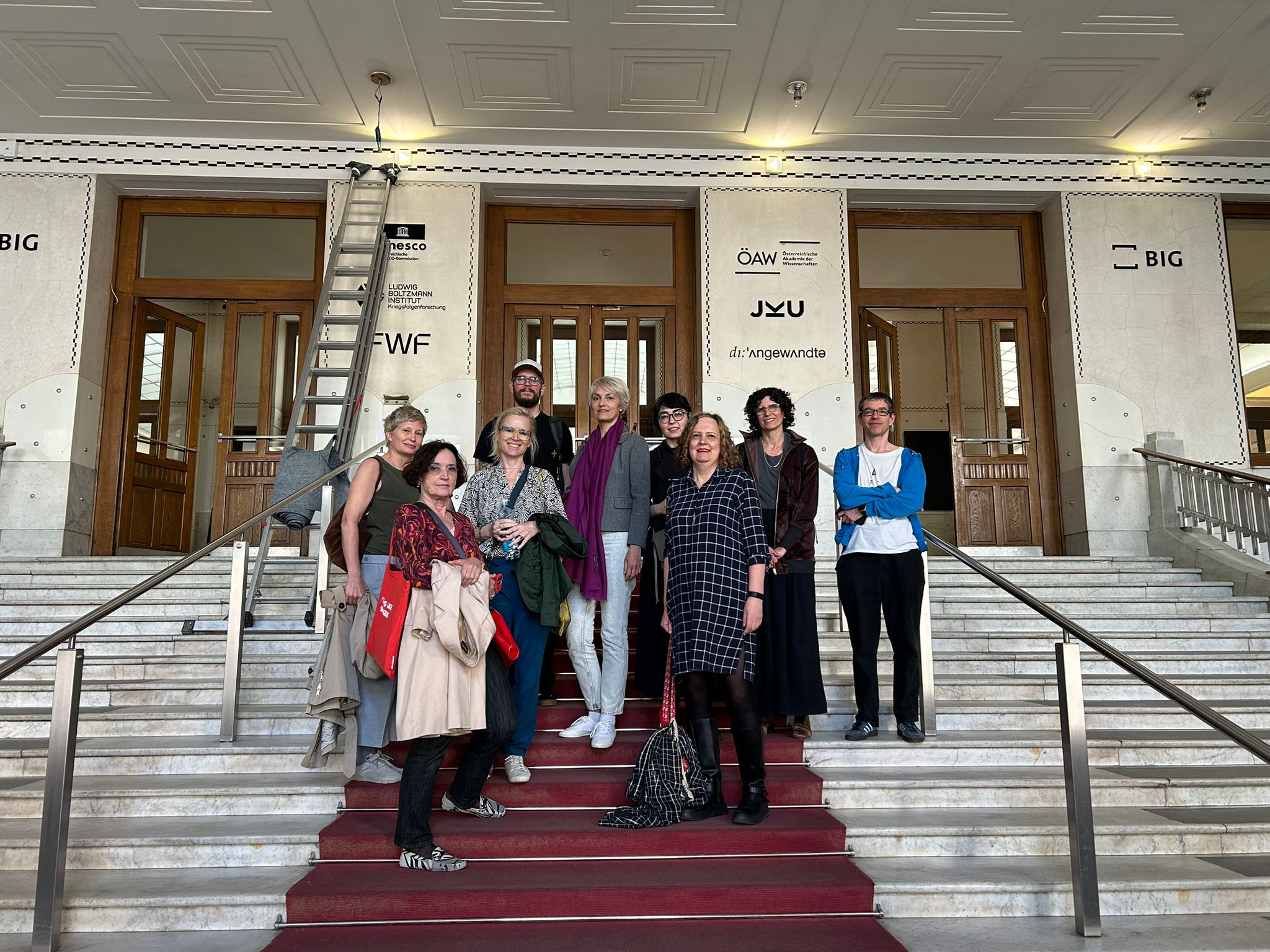
Day 4: 29.04.26
The final day featured a workshop, ‘Co-Designing Participatory Animation: Exploring Collaborative Approaches to Animation Making’ by Nairy Eivazy and Natalie Woolf.
This workshop examines how animation’s narrative, visual strategies, and unique language can function as a collaborative framework for bringing diverse voices together. Centering collaboration within the animation-making process, it explores participatory approaches that invite public engagement into creative and hands-on production. Working in small groups, participants will collectively develop methods through mapping, discussion, and prototyping, fostering shared authorship, dialogue, and meaningful exchange across diverse backgrounds. The co-designed methods will then be tested and activated through the collective creation of short stop-motion animation prototypes.
The workshop is led by Nairy Eivazy and Natalie Woolf, members of Animating Together, a FilmEU dynamic cluster that explores the transformative potential of collective storytelling through participatory animation.https://www.filmeu.eu/research/dynamic-clusters/animating-together FilmEU is a European university alliance that brings together leading institutions across Europe to collaborate on education, research, and innovation in film and media arts.
This was all complemented by screenings at the UNDER_the_RADAR festival
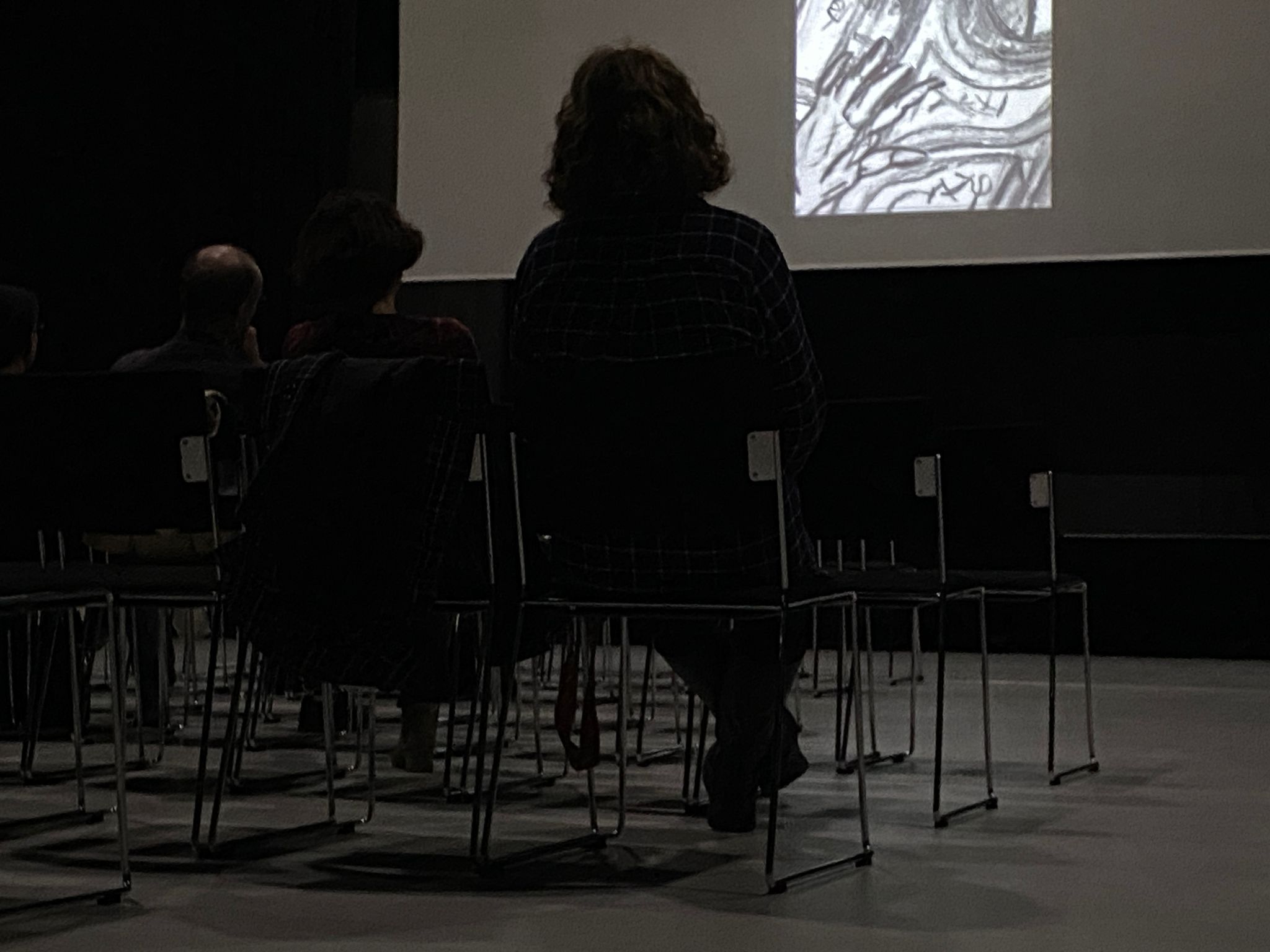
Ecstatic Truth X was organised by Birgitta Hosea, Tereza Violet Stehlikova, Pedro Serrazina and Natalie Woolf in collaboration with Holger Lang and the UNDER_the_RADAR festival. The team are all grateful to Nikolaus Jantsch from University of the Applied Arts Vienna for generously hosting our events.
Pictures by Birgitta Hosea, Tereza Violet Stehlikova, Pedro Serrazina, Holger Lang and Juergen Hagler

